 Status


“Our app needs space for images and user uploads.”
How Object Storage helps
Store images, videos and user uploads in a bucket instead of on your application server. Should visitors load files directly? Make the bucket publicly readable.

Nine Kubernetes Engine (NKE) in our own data centres in Zurich, ready in a few minutes. We run the …

Deploio is our fully managed app platform (PaaS): every git push builds and releases your app …

Our Managed Virtual Servers run on Ubuntu LTS in our Swiss data centres, from Managed nV4 to nV64 …

Our Managed Dedicated Servers give you exclusive physical hardware with AMD EPYC processors, RAID-1 …

Virtual servers with full root access that you create yourself in Cockpit, with Ubuntu LTS, Debian …

Physical servers with full root access in our Uptime Institute Tier IV data centres in Zurich …

Our Managed GPU Servers pair a dedicated AMD EPYC base system of your choice with an Nvidia H100 …

S3-compatible object storage with Swiss data sovereignty, stored within your chosen data centre and …

Our Root GPU Servers give you full root access to a physical AMD EPYC base system with your choice …

Rack space for your own hardware in two Uptime Institute Tier IV data centres in Zurich and Rümlang, …

Space for single servers in an Uptime Institute Tier IV data centre in Zurich, without renting a …

A vCluster is a virtual Kubernetes cluster on Managed Kubernetes (NKE) with its own dedicated worker …

Airlock Microgateway is a Kubernetes-native web application firewall (WAF) from Swiss manufacturer …

Managed Virtual or Dedicated Server, which size, Standard or Performance: this comparison shows …

Root Dedicated Server or Root CloudVM, which size: this comparison shows which Root Server variant …

Managed GPU Server or Root GPU Server, GPU Standard or GPU Advanced, which Nvidia model: this …

Managed Server or Root Server: the comparison shows the difference in access rights, support and …

Managed Kubernetes with NKE, a vCluster or a self-hosted cluster: this comparison shows who runs …

Managed Kubernetes or GKE, EKS and AKS: what moves where, what stays the same and how the switch …

Deploio or Heroku: what moves where, what it costs and how the switch works. Keep your git push …

We protect your applications with Cloudflare: web application firewall, DDoS protection, and a …

MySQL and PostgreSQL as a self-service DBaaS: book them alongside your Managed Server, Root Server, …

A Redis-compatible Key-Value Store based on Valkey 9, as an On-Demand Service you create yourself in …

Our Managed OpenSearch gives you a production-ready search and analytics platform with built-in …

Web servers, databases, caching, VPNs, search and more on your Managed Server: Managed Services we …

Metrics, dashboards, alerts, logs and traces for your Managed Kubernetes cluster, plus a Grafana …

Binding incident response times, and service credits if we don't meet them.

Our ISO 9001 and ISO 27001 certifications, independently audited by Swiss Safety Center AG, and what …

We compensate our CO₂ emissions annually via certified myclimate projects. With the ClimateCare …

Two separate data centres in the Zurich area, connected by a redundant dark fibre ring: how we build …

Confidentiality, integrity and availability, covered by our documented technical and organisational …

On the «Prantls 5A» podcast, Thomas Hug talks about how a Linux server became a Swiss cloud provider …
At an internal hackathon, we built three prototypes to cut out manual setup steps on Deploio. From a …

We moved our managed services and Deploio from ingress-nginx to HAProxy. Eight defaults behaved …
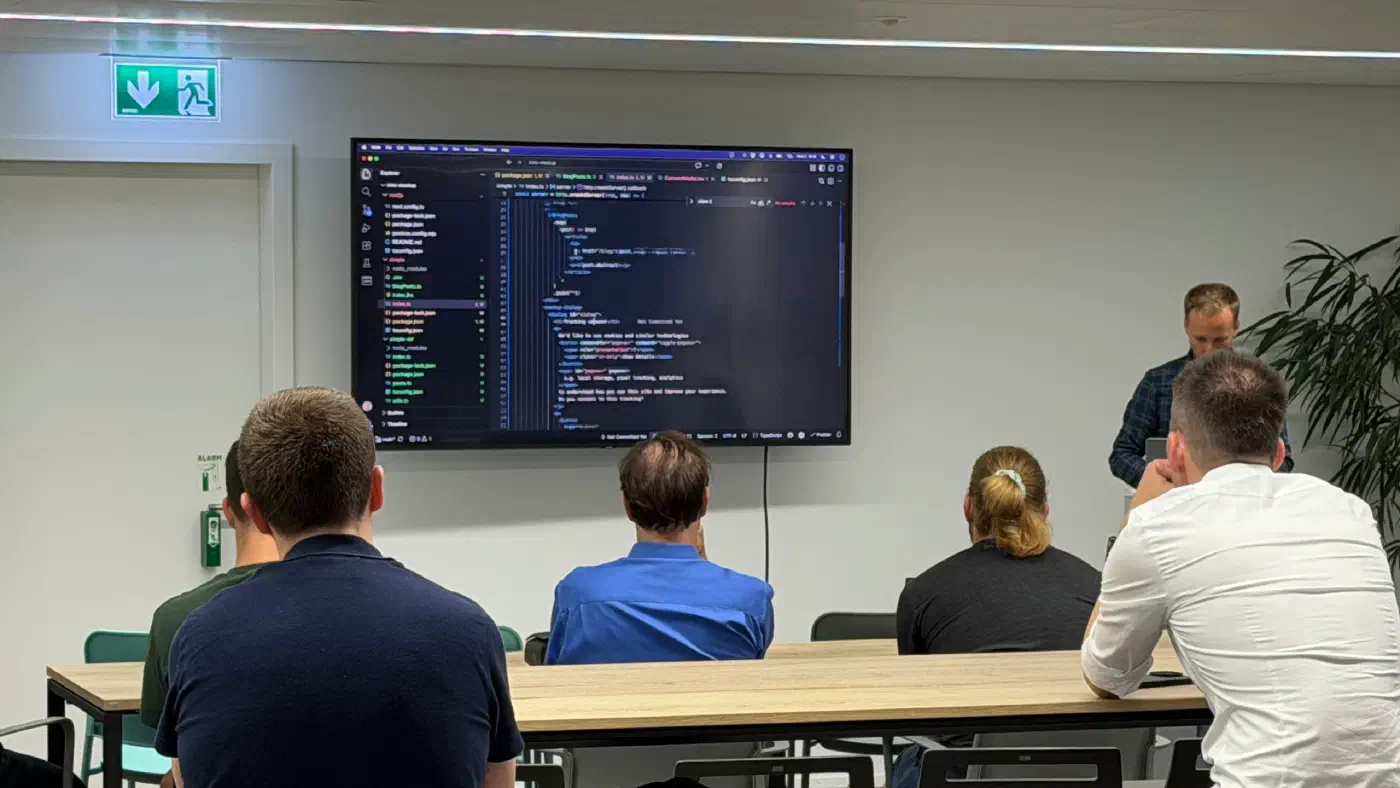
At TechTalk #29, Thomas Jaggi (LegacyNotes) showed live how much modern browsers and Node.js now …

In August 2026, a large DDoS attack hit a customer and our own network directly. What happened, …
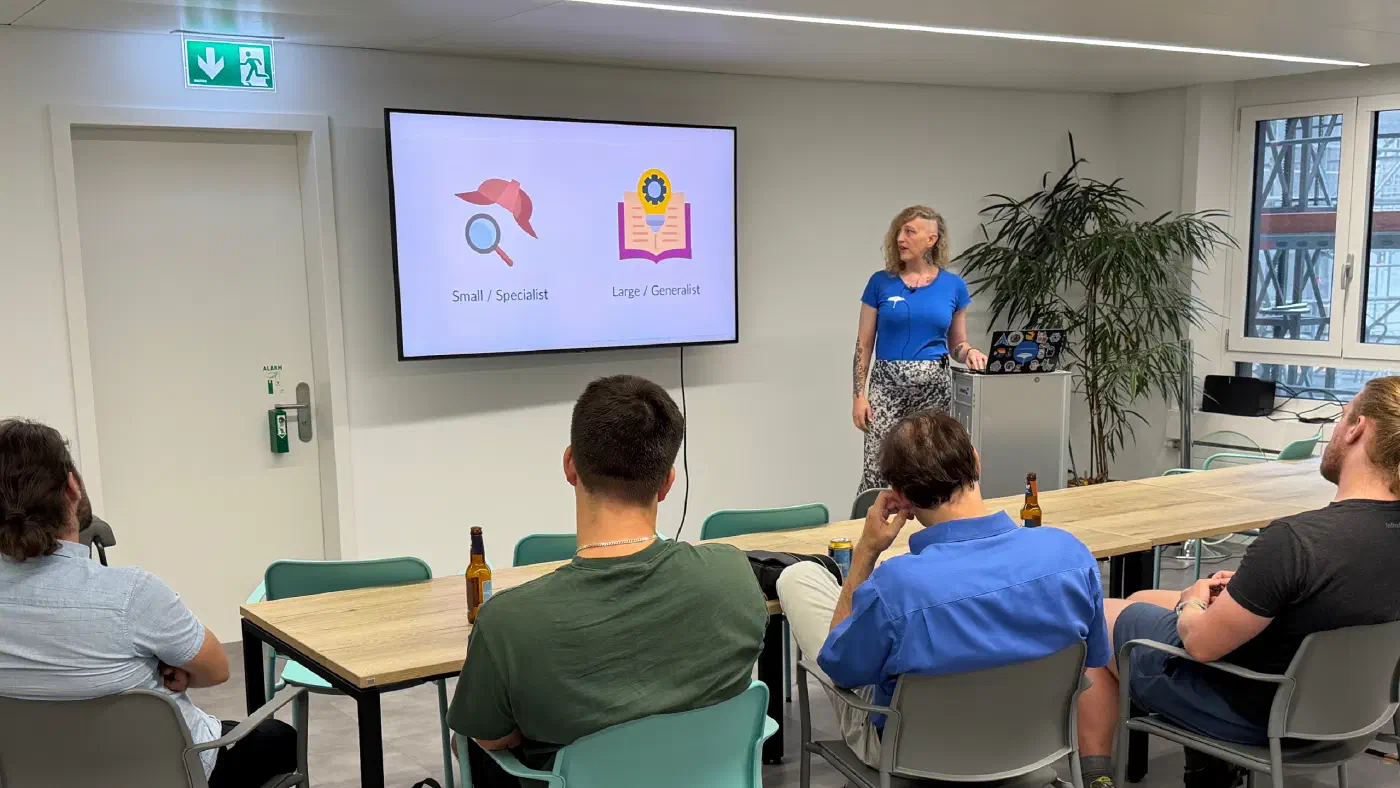
At TechTalk #29, Lena Fuhrimann (bespinian) shared a practical guide to running fast, private LLMs …
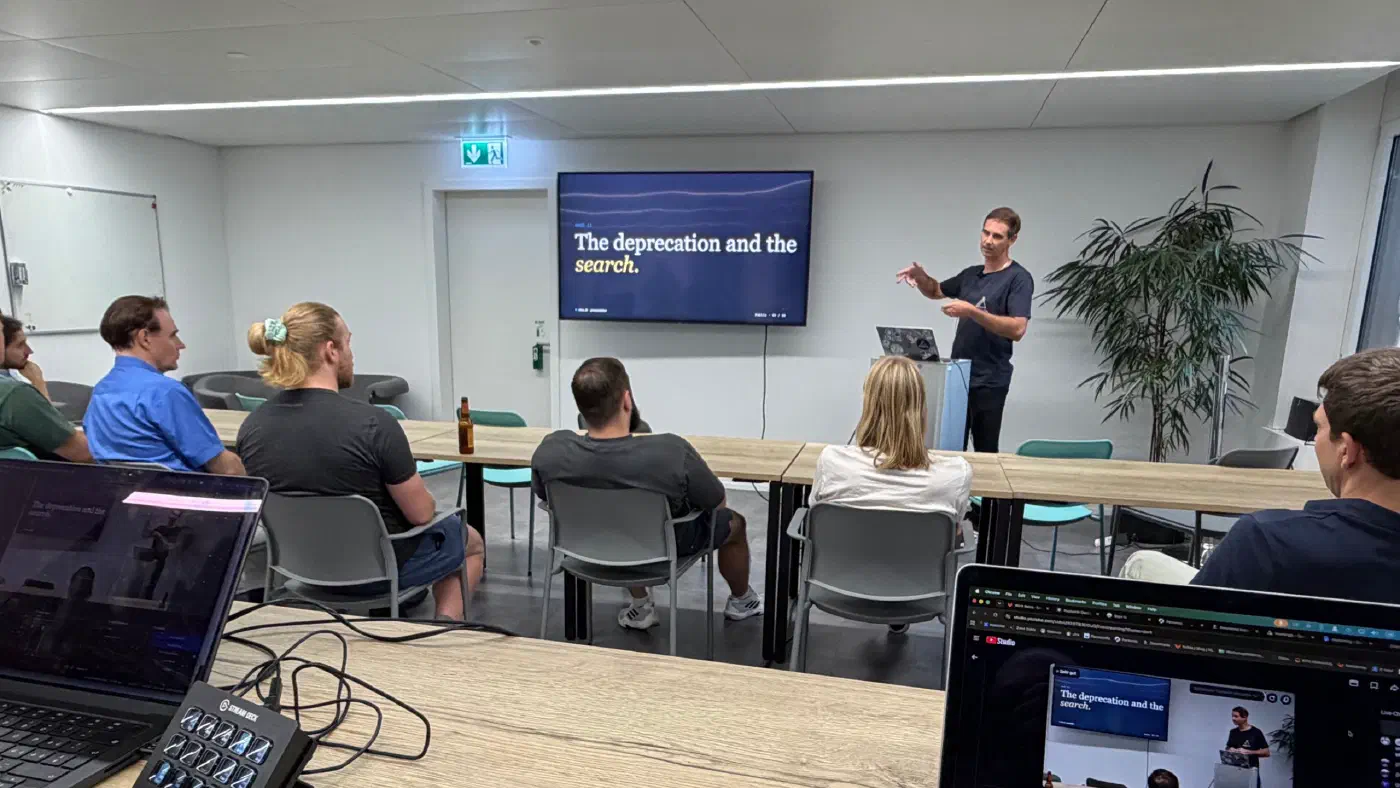
At TechTalk #29, Sebastian Nickel walked us through our journey from Ingress-NGINX to HAProxy and …

An overview of how to manage your infrastructure at Nine through code: the Nine API, nctl, Deploio, …
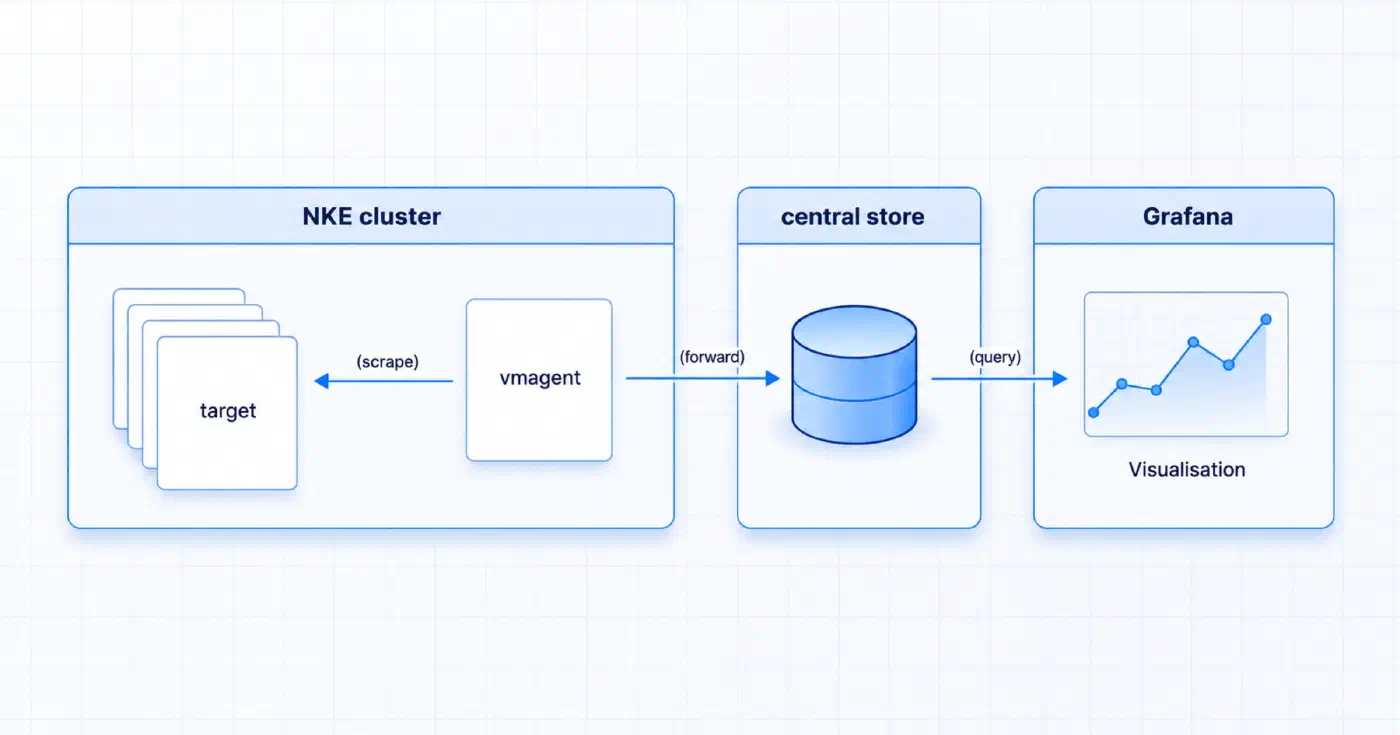
We are excited to announce the release of the NKE Metrics Agent, a new way to handle application …

Ubuntu Resolute brings mostly evolutionary updates for our Managed Servers, a recent kernel and one …

Self-hosted, Exoscale SKS, hyperscaler, VSHN, Swisscom, Infomaniak, or NKE: an honest comparison of …

Cluster upgrades three times a year, observability, secret management, network policies: Kubernetes …
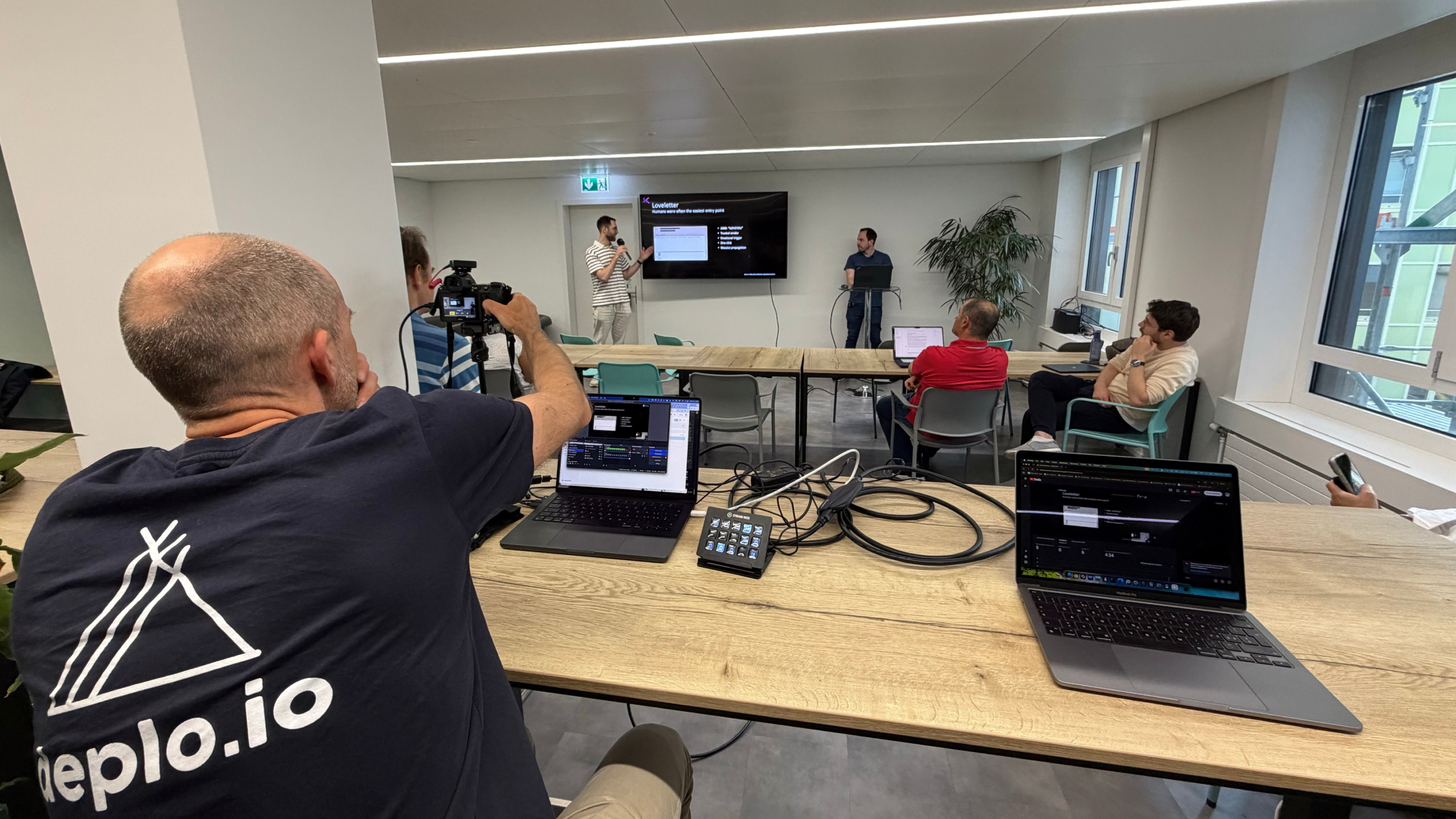
At TechTalk #28 we explored non-human identities as an attack surface, navigating complexity in …
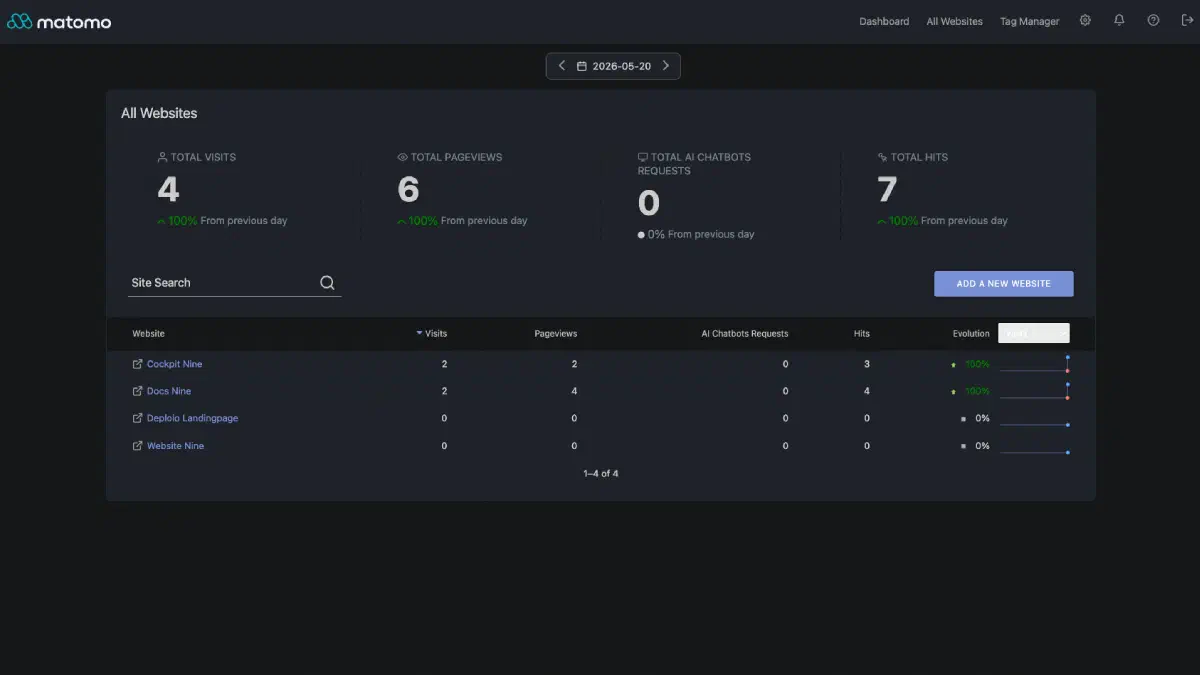
We replaced Google Analytics with a self-hosted Matomo instance running on our own infrastructure in …

On April 30, 2026, a 0-day in the Linux kernel was disclosed: root with a few lines of Python, and …

CLOUD Act, data sovereignty and AI compliance: why Swiss companies shouldn't run their LLM workloads …

Our first TechTalkThursday of 2026 – number 27 in our event series – took place on the 10th of March …

One Slack message, a seamless migration – and finally cloud hosting from Switzerland. How Renuo …
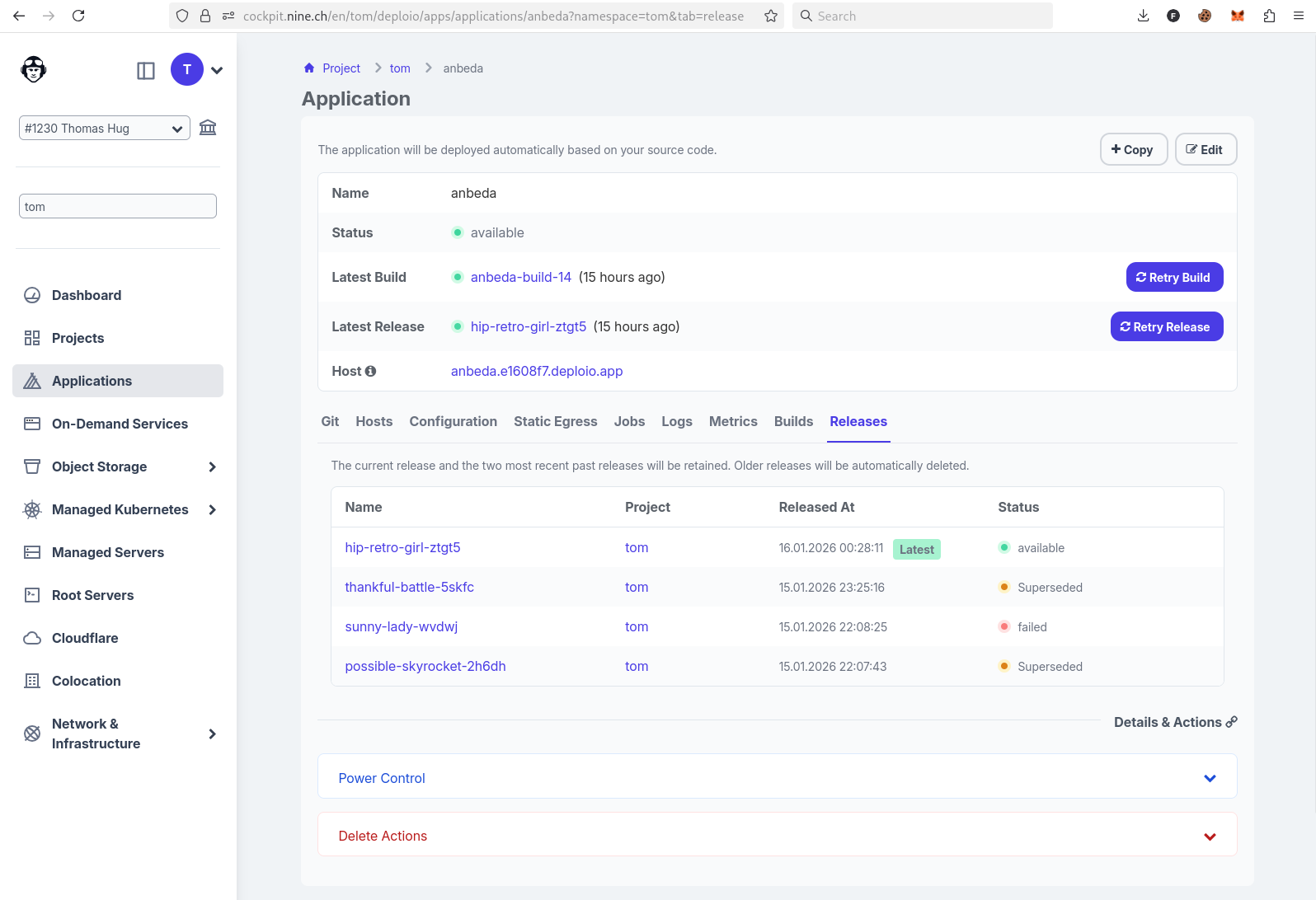
An old Angular 4 app that's been running on a server since 2017 – one that should have been updated …

We migrated our website from WordPress to Hugo. In this article, we explain why we made this move …
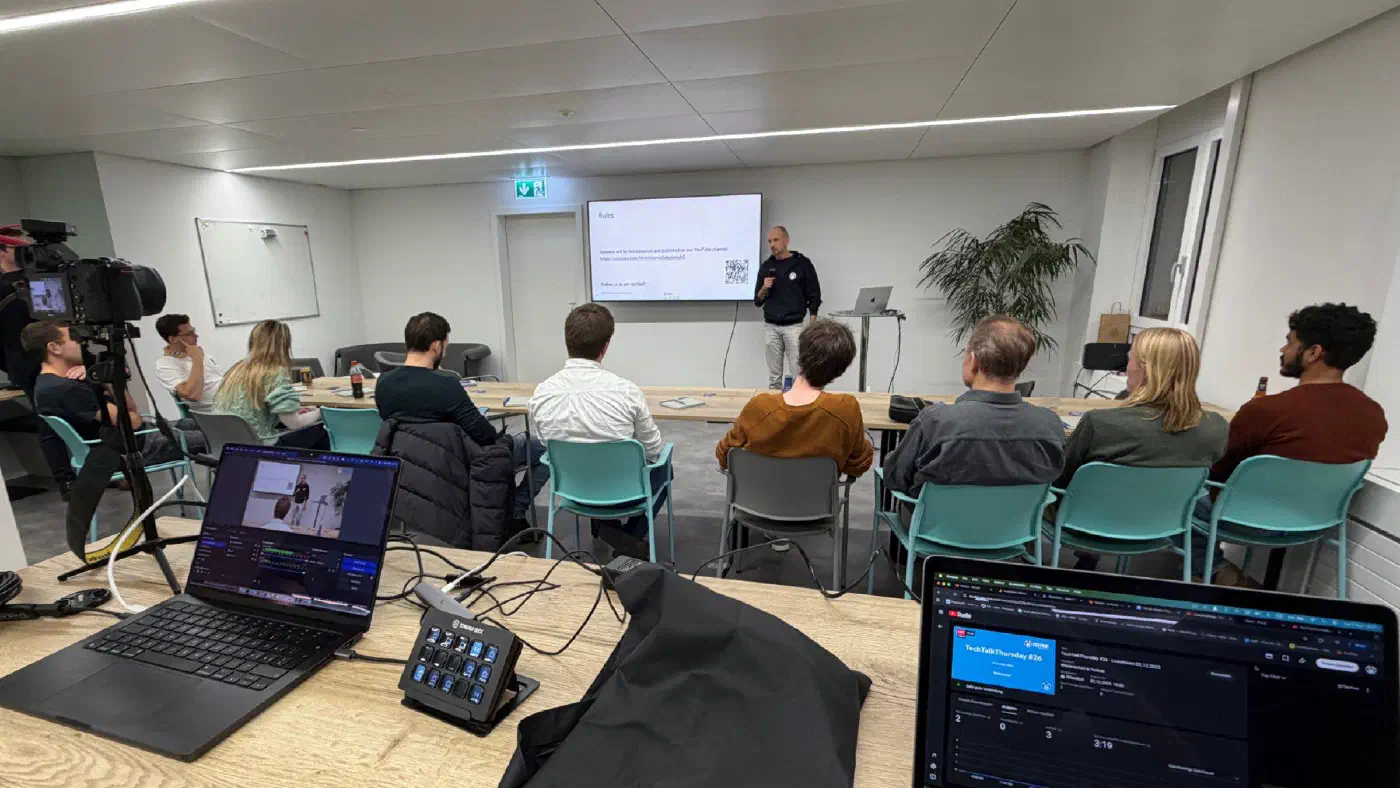
Our fourth and last TechTalkThursday in 2025 – it was number 26 of our event series – took place on …
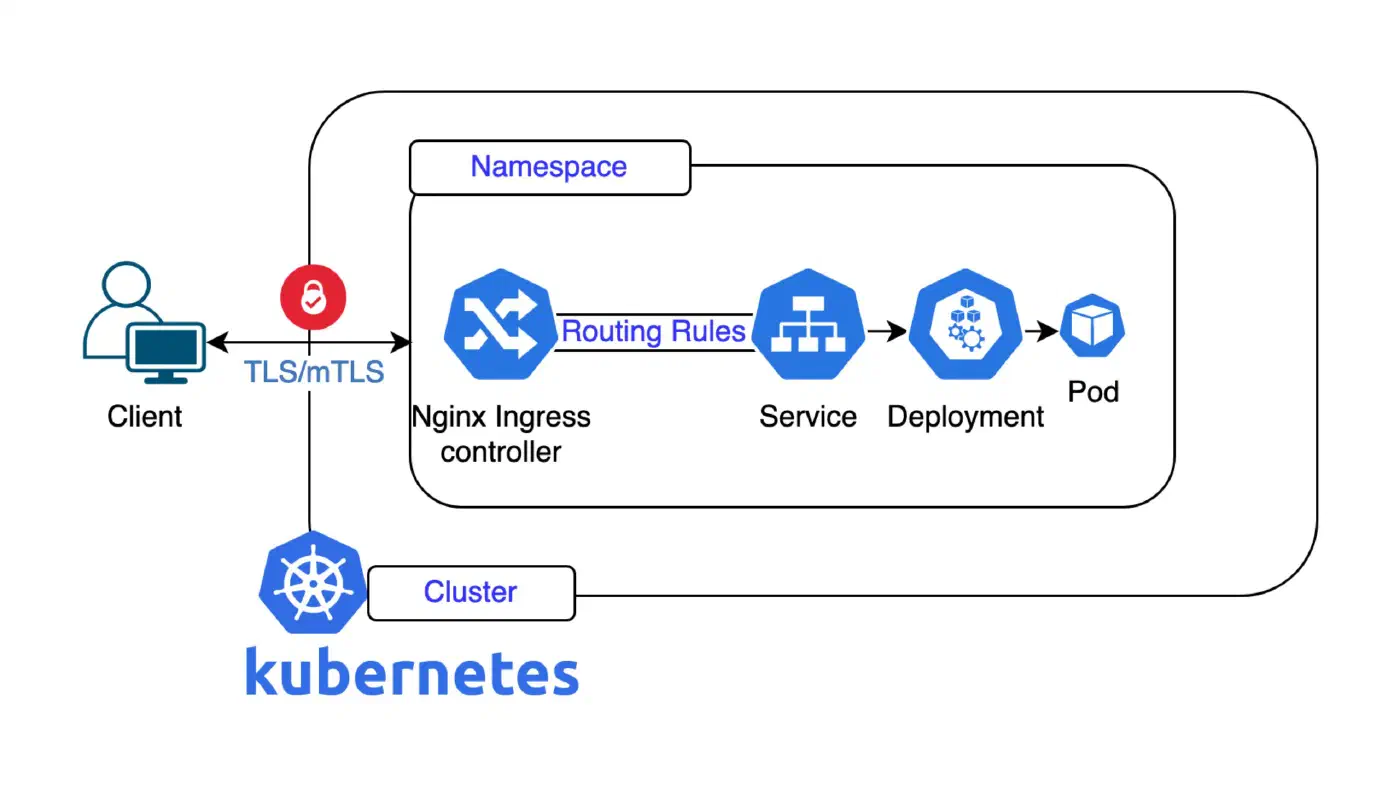
We're currently working on a proper strategy relating to the upcoming retirement of the …

In the digital world, server security is not a “nice-to-have” but one of the cornerstones of a …
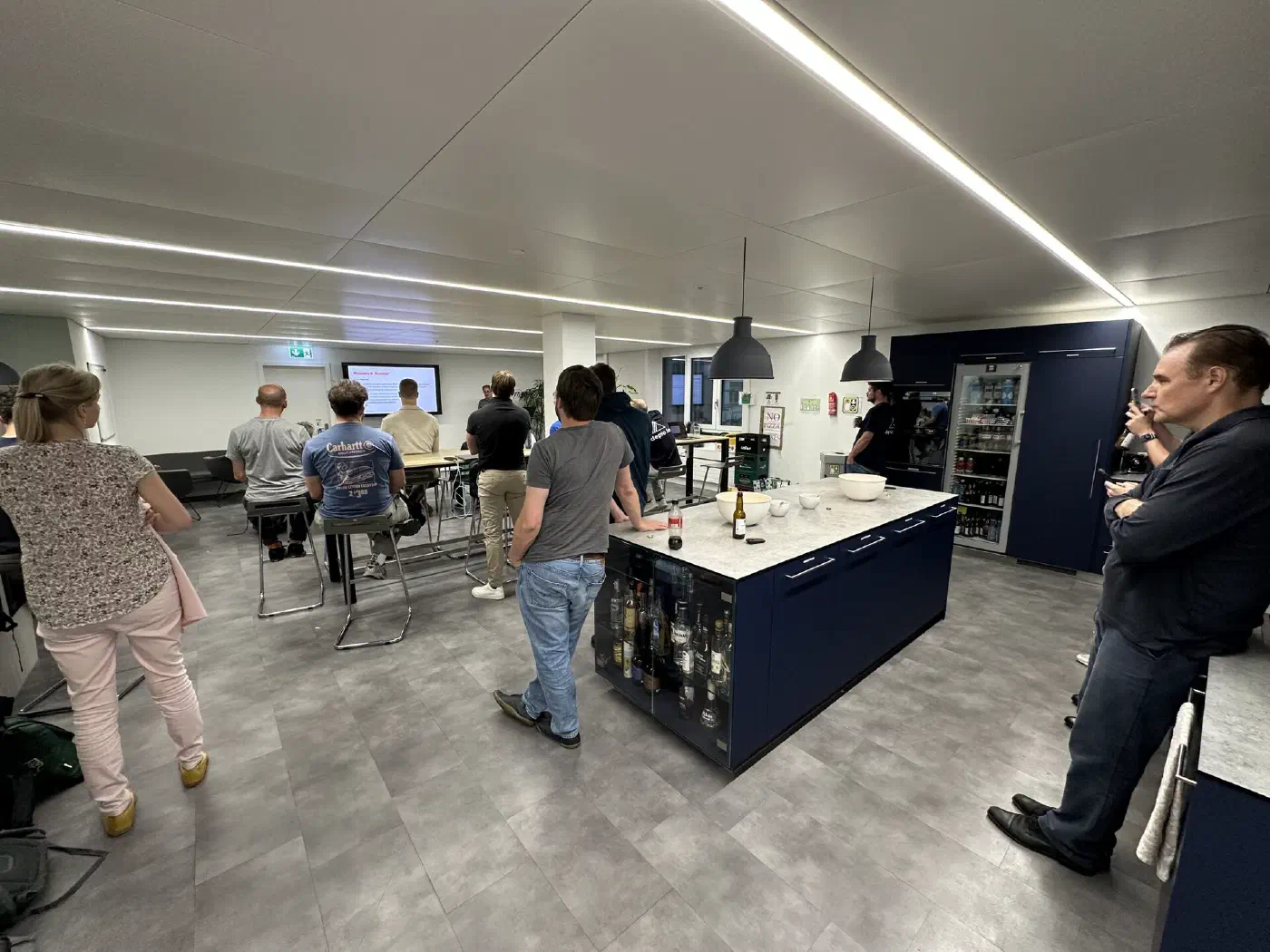
Our third TechTalkThursday in 2025 – it was number 25 of our event series – took place on the 4th of …

«Digitalisation is the path to a sustainable future.» This statement applies in many areas – but it …
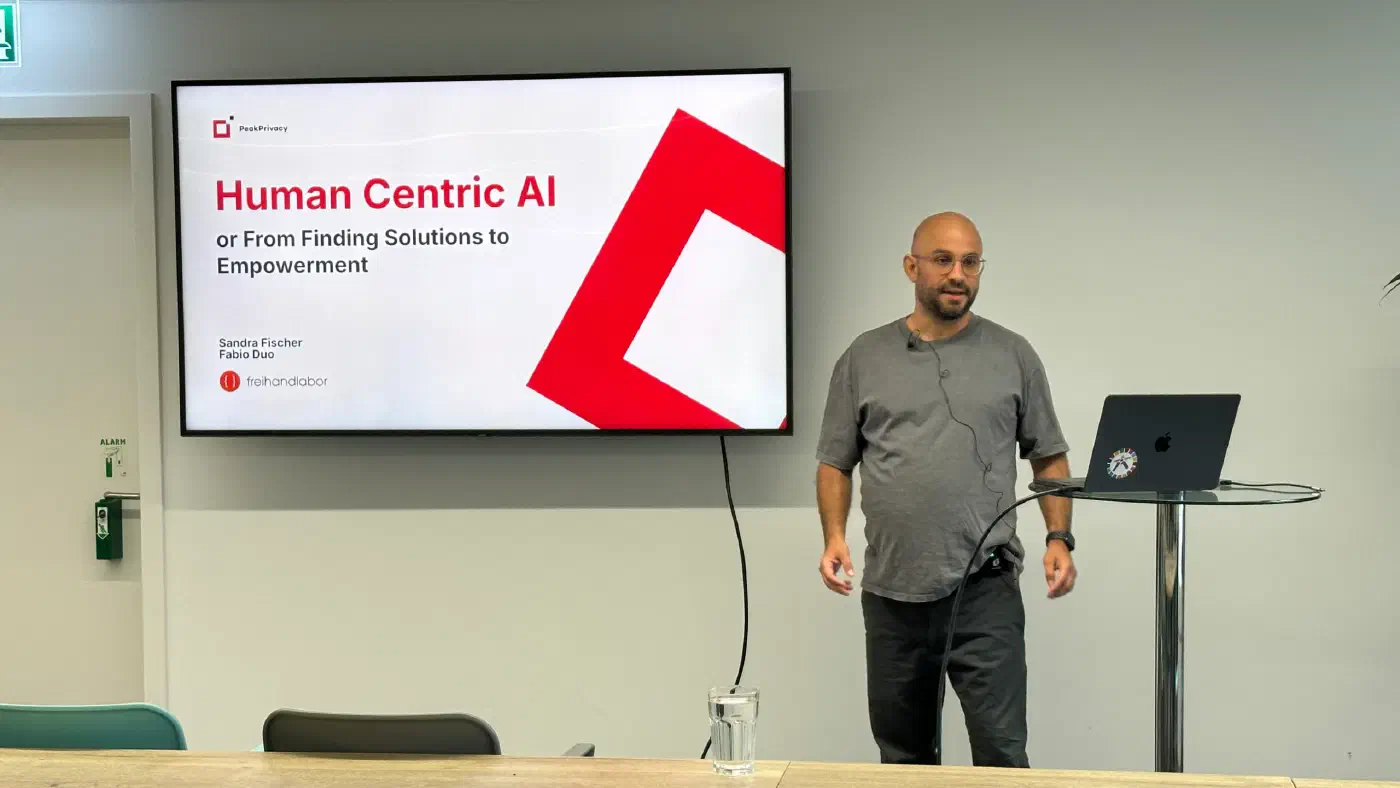
Our second TechTalkThursday this year was number 24 of the event series and took place on the 5th of …

Data protection is no longer just a «nice to have». For many organisations, it has become an …
One common pattern we've observed at Nine is that many of our customers run web applications — think …
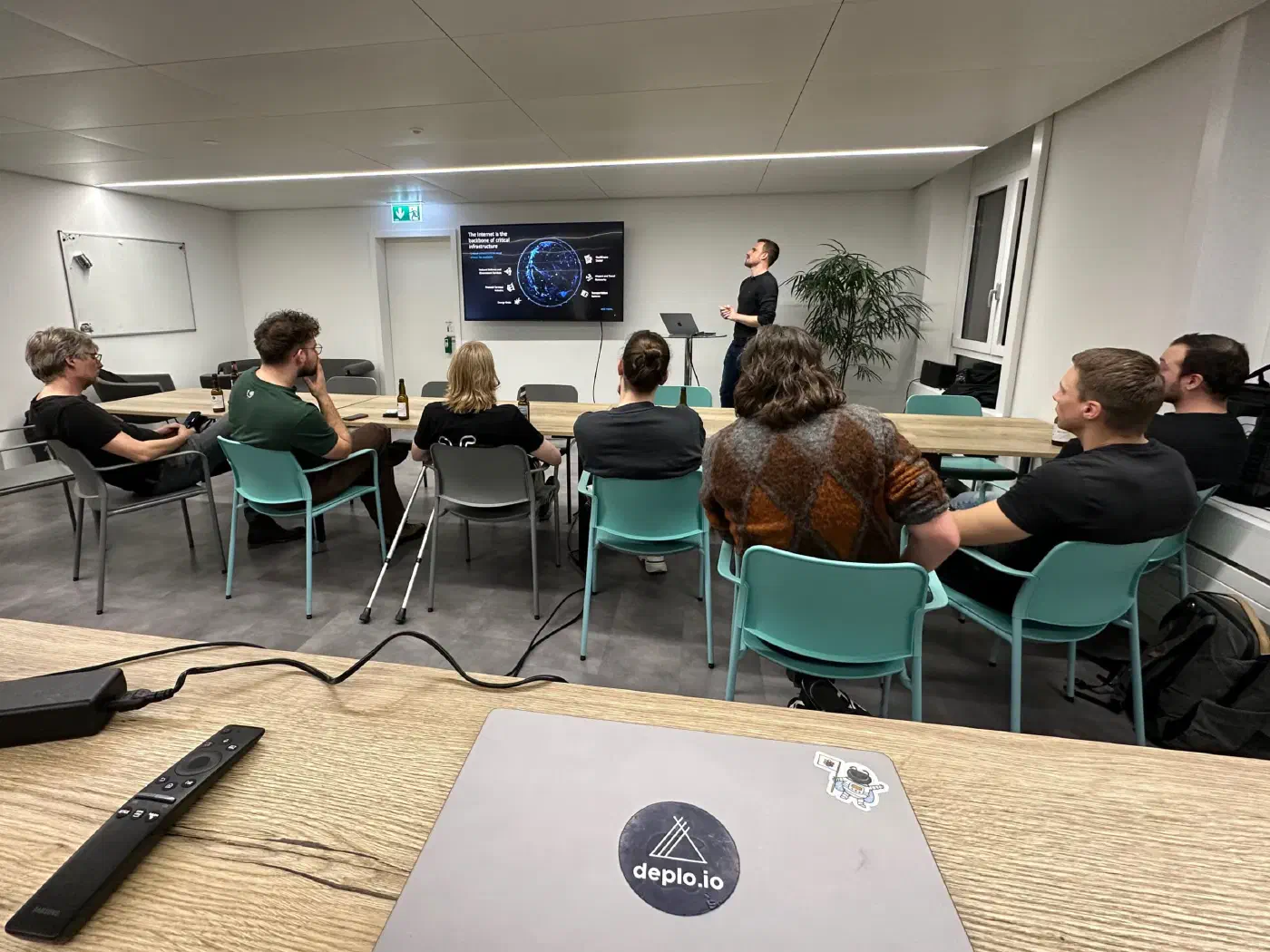
The first TechTalkThursday in 2025 – and number 23 of the event series – took place on the 6th of …
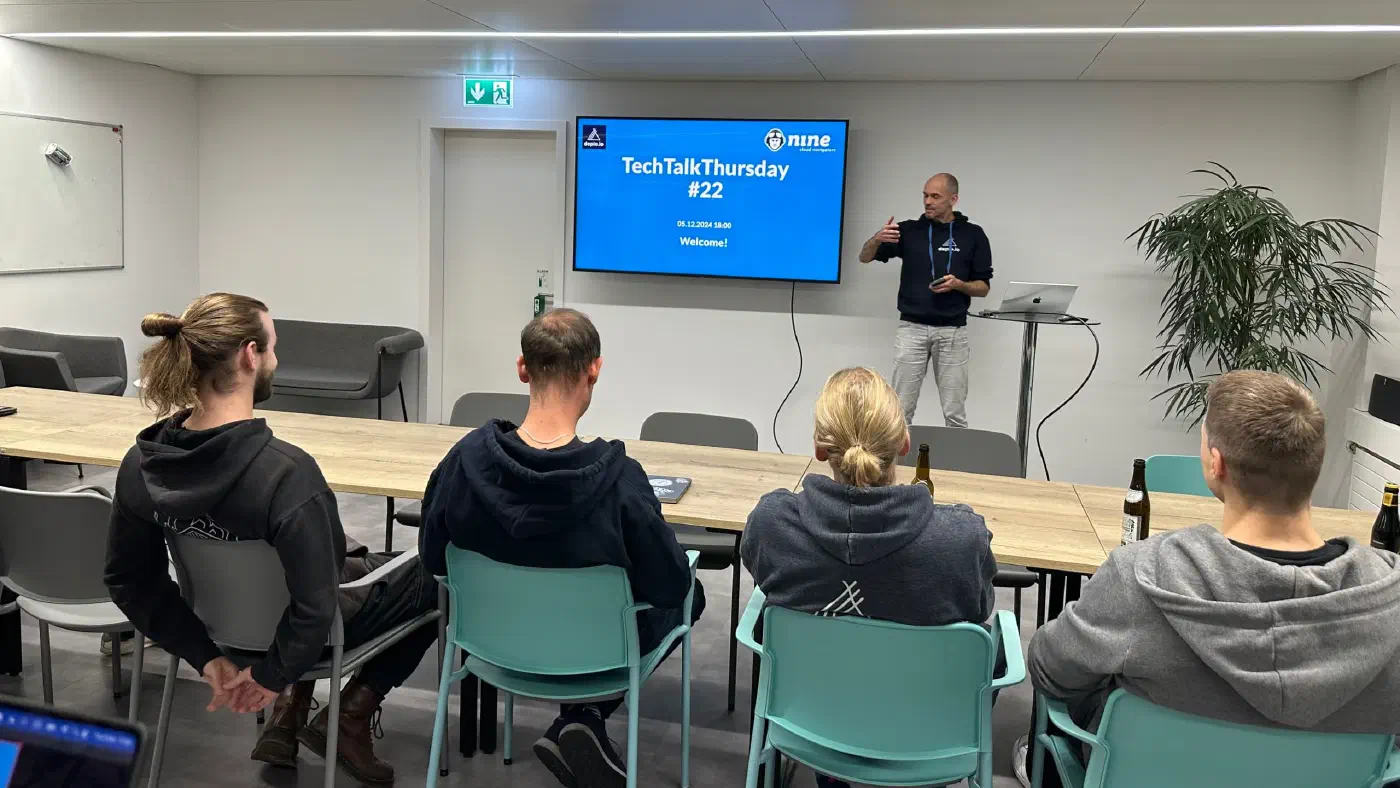
Our TechTalkThursday #22 took place on the 5th of Dezember 2024 at 18:00 in our office. We were …

With the first snow, we were enticed by the mountains: Our coworking retreat took place at the base …
Web development has evolved significantly, with numerous tools and frameworks streamlining the …
Every company wants its products and services to be seen. This requires a marketing professional who …

In today’s rapidly evolving tech landscape, modern systems like Kubernetes are often seen as the …
At Nine, we’ve been hard at work refining Deploio, our platform for deploying applications with …

Every company needs someone with a flair for numbers. An expert who has debtors and creditors under …
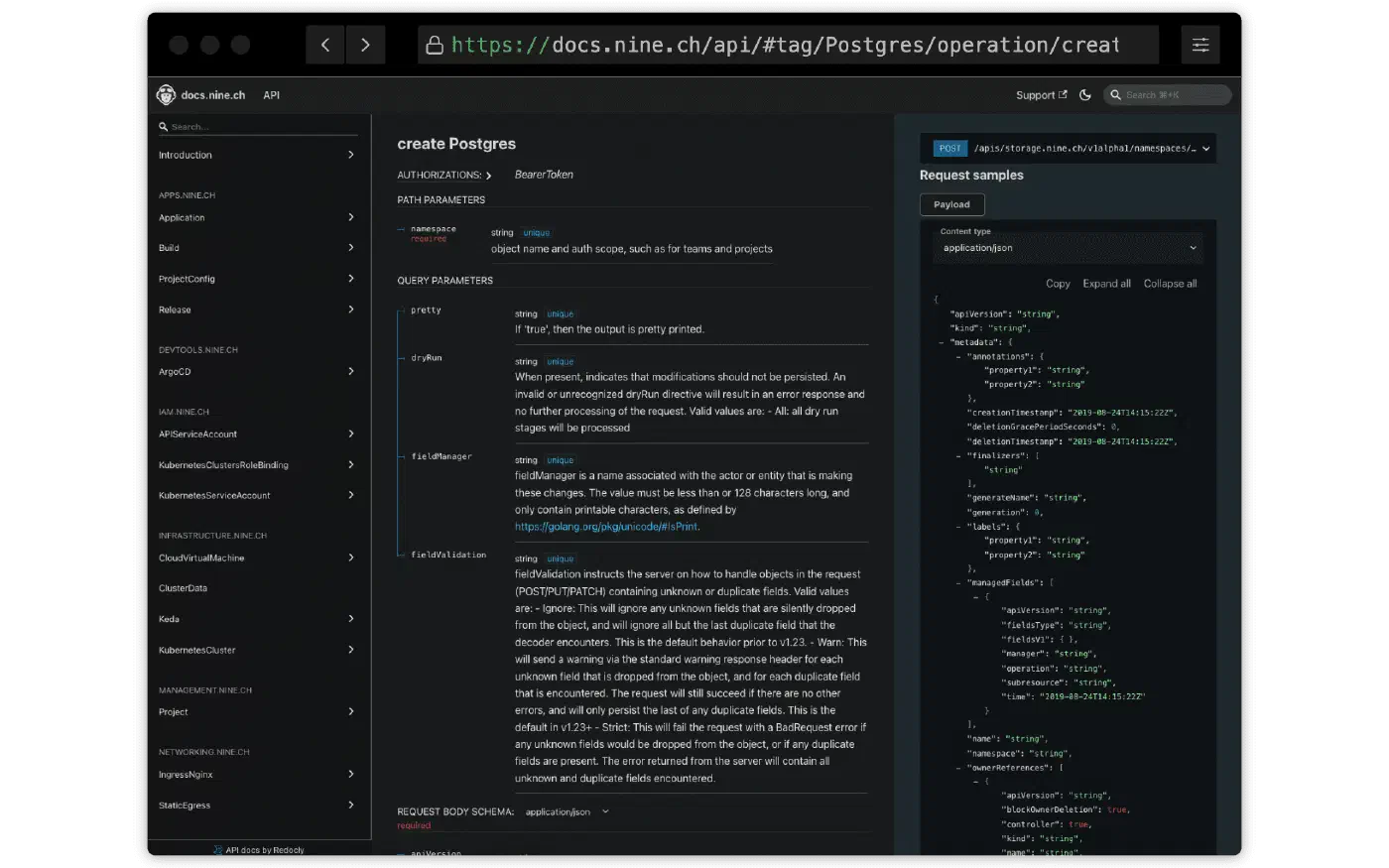
Our on-demand MySQL and PostgreSQL databases are now available for your production workloads. Let's …
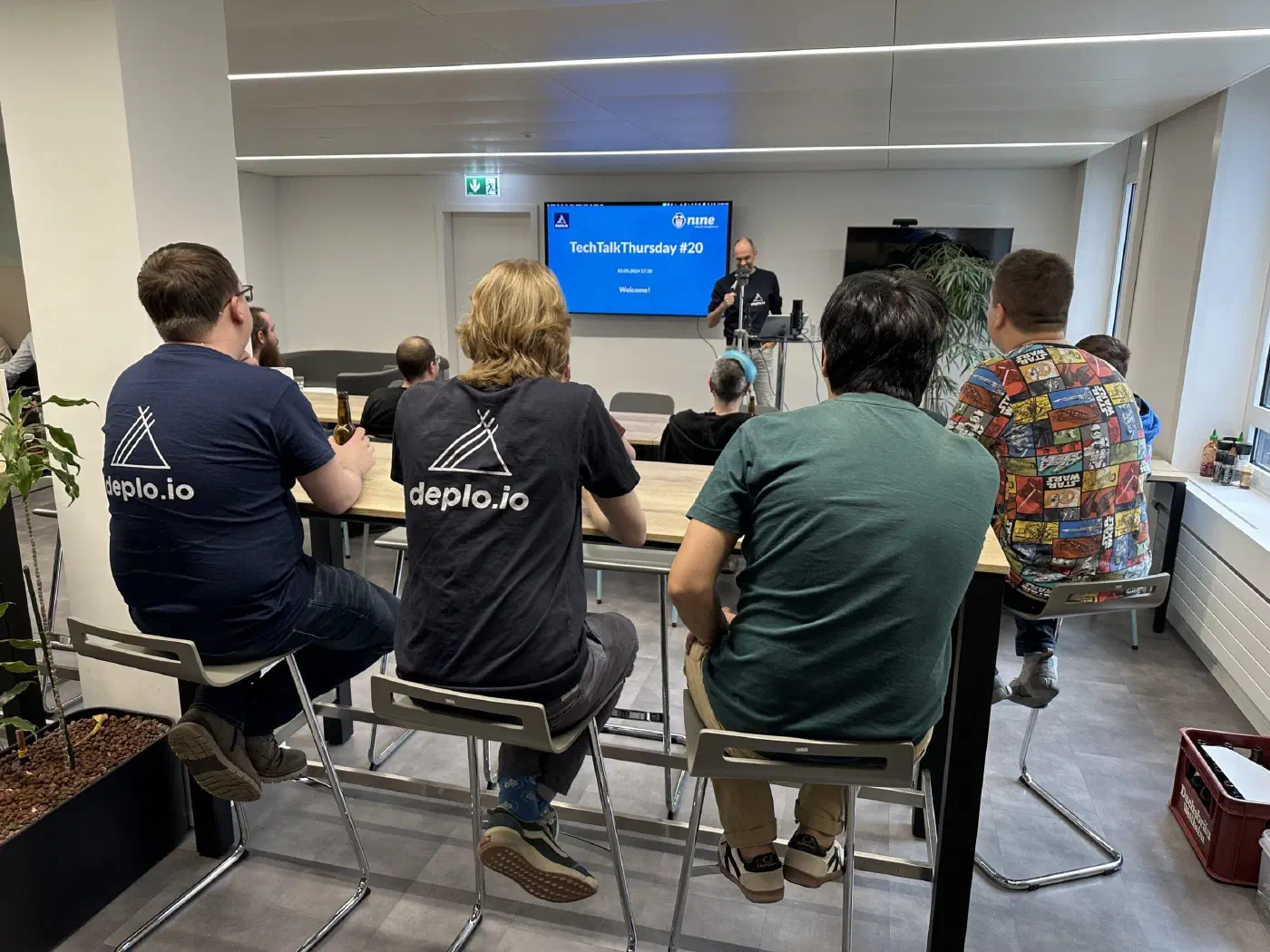
Our TechTalkThursday #20 took place on the 2nd of May 2024 at 18:00. We were happy to welcome two …
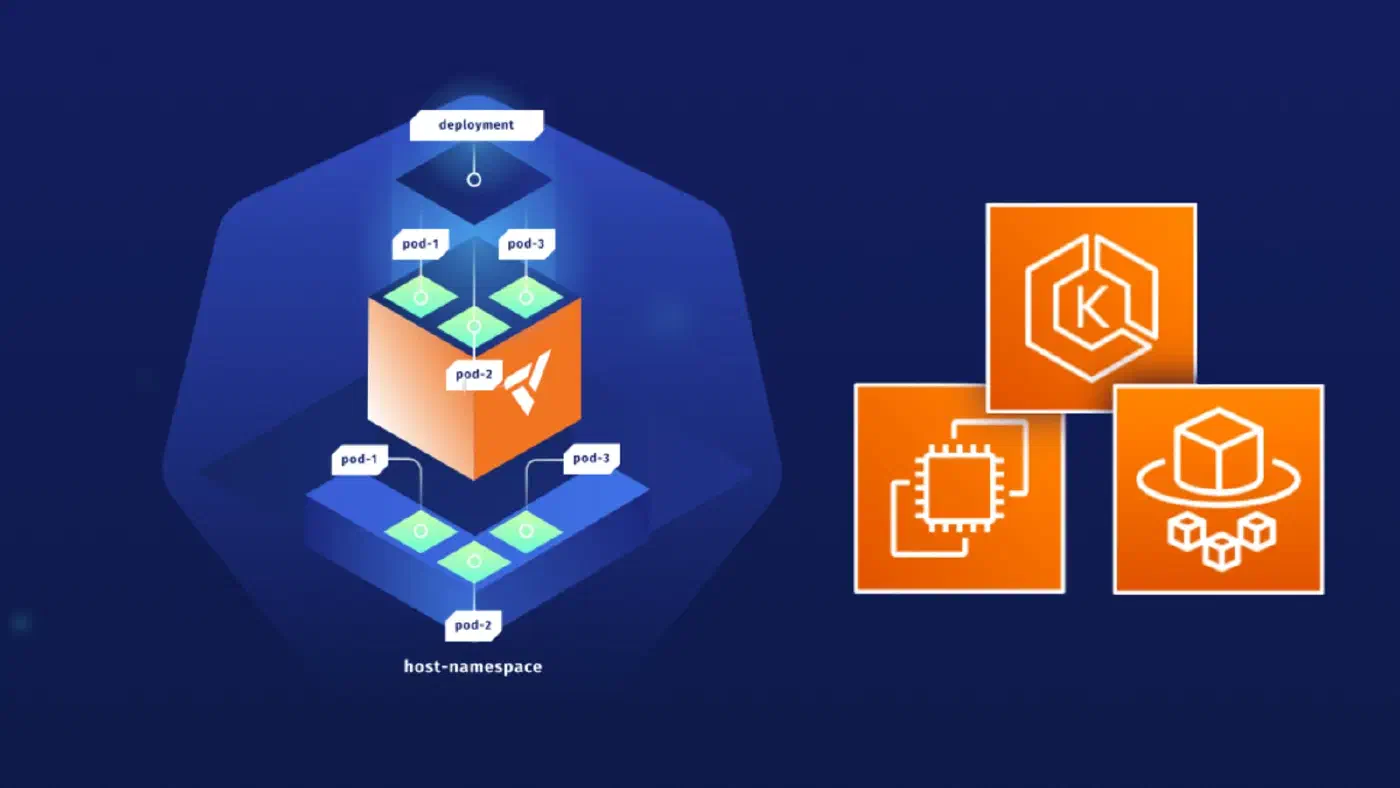
A virtual cluster is a fully working Kubernetes cluster that runs on top of another Kubernetes …

In today's web applications, search functions are omnipresent. Searching for product titles or …

As you may have noticed, our v1 S3 product has officially been deprecated, and the migration to v2 …
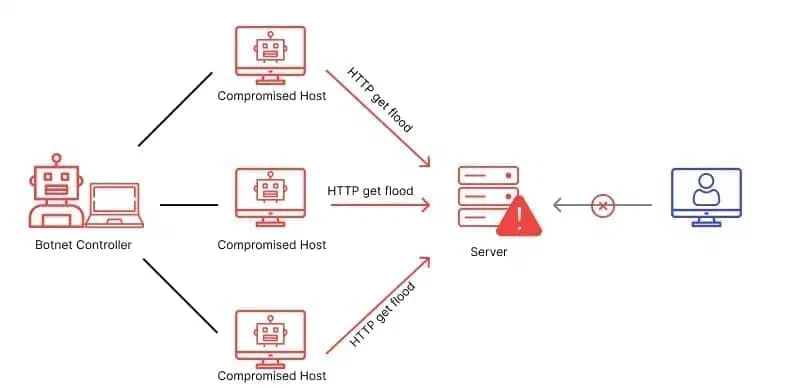
What is HTTP? HTTP, the Hypertext Transfer Protocol, is the 'language' that your web browser and …

No company can run efficiently without customer support. This is no different at Nine: every day, we …

When talking to people about migrating their applications to Kubernetes, there are often questions …
Today we’re lifting the curtains and are thrilled to present: Deploio, our Swiss-made, next-gen app …
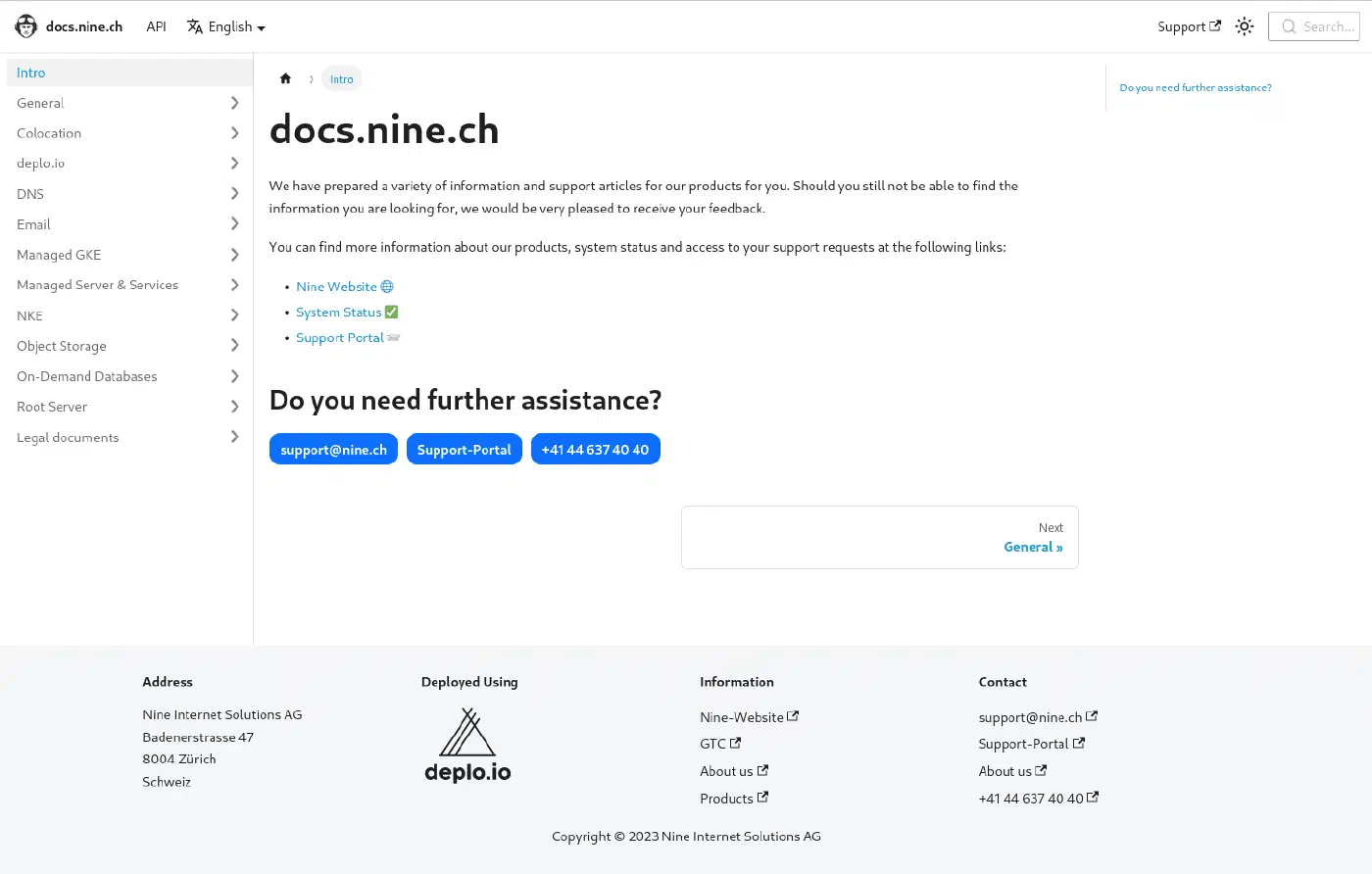
Our previous support page had lost its luster over the years. Originally developed in-house using …

The new federal Act on Data Protection (nFADP) will take effect in Switzerland from 1 September …
As more developers get familiar with deploying to Kubernetes, the need for better isolation between …

Modernise your web services with our new API and CLI tools. At Nine, we're always looking for …

As we launch our API we want to give some technical insights on how we got here and what can be …

Elasticsearch/OpenSearch and Solr are among the most popular and powerful open source search …

Three growth challenges digital agencies face as they scale, and how to overcome them Digital …

Having the reliability and mature APIs of global-scale cloud providers offers the possibility of a …

Self-service has become ubiquitous beyond the IT sector. Nevertheless, self-service cannot solve …
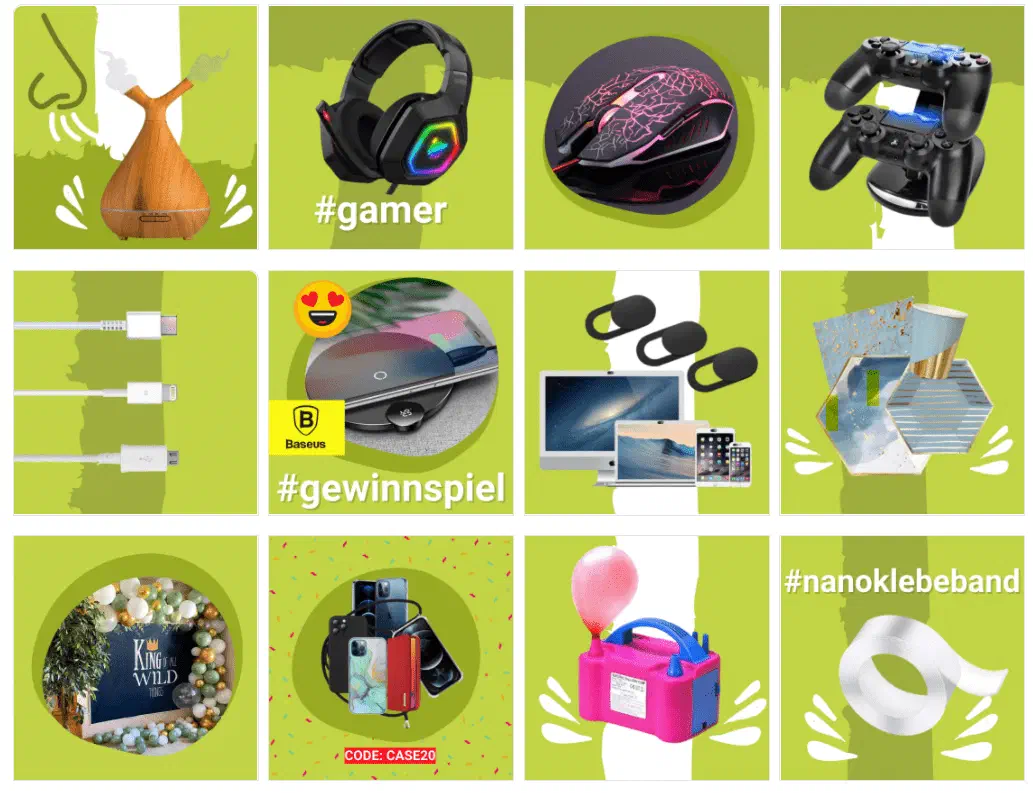
apfelkiste.ch is one of Switzerland’s biggest online shops. In 2020, it saw a turnover of 60 m Swiss …
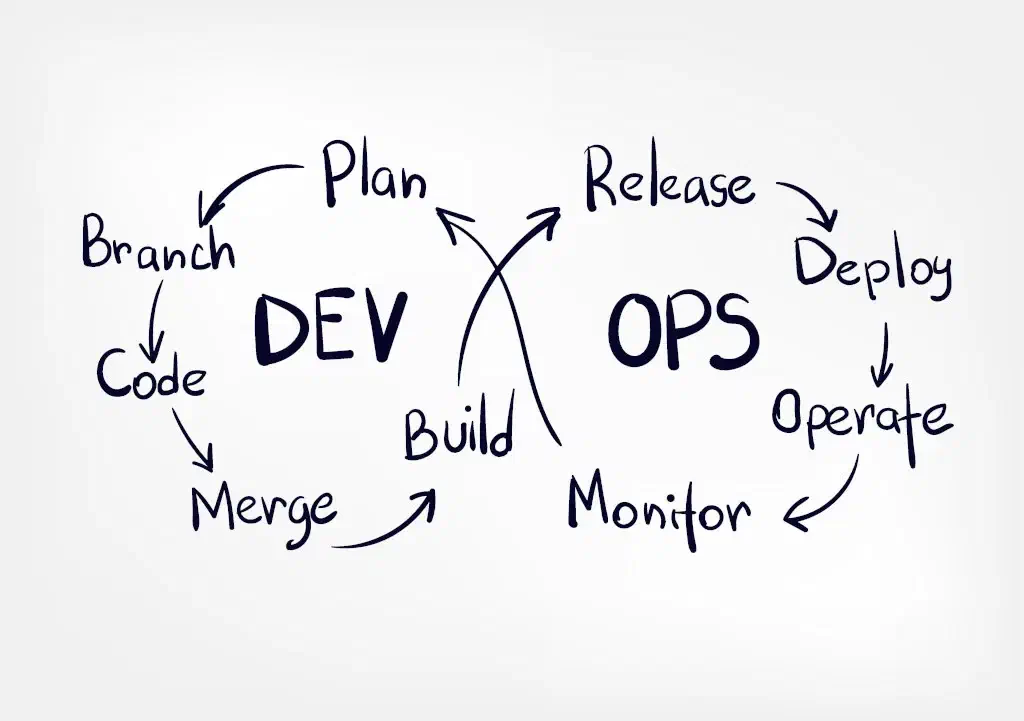
When development and operations are in tension, separate teams, each with their own self-image and …

The biggest cloud migration challenges in 2021 One thing that we often hear at Nine, being a Managed …
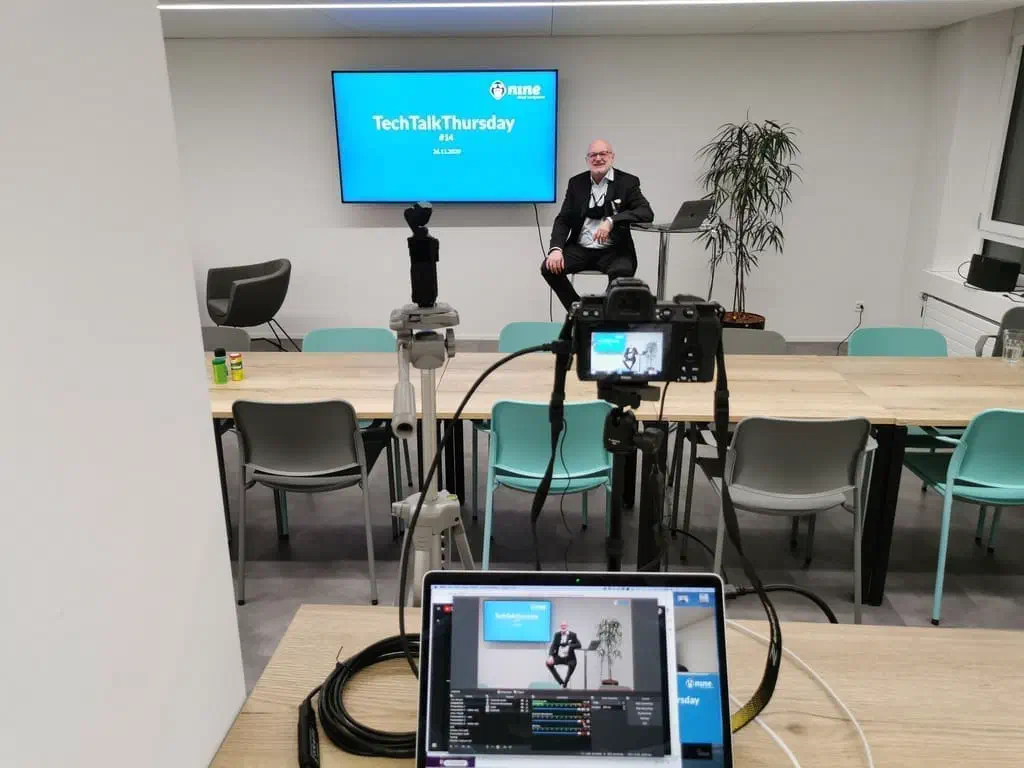
Our TechTalkThursday #14 took place on the 26th of November 2020 at 18:00. Due to local …
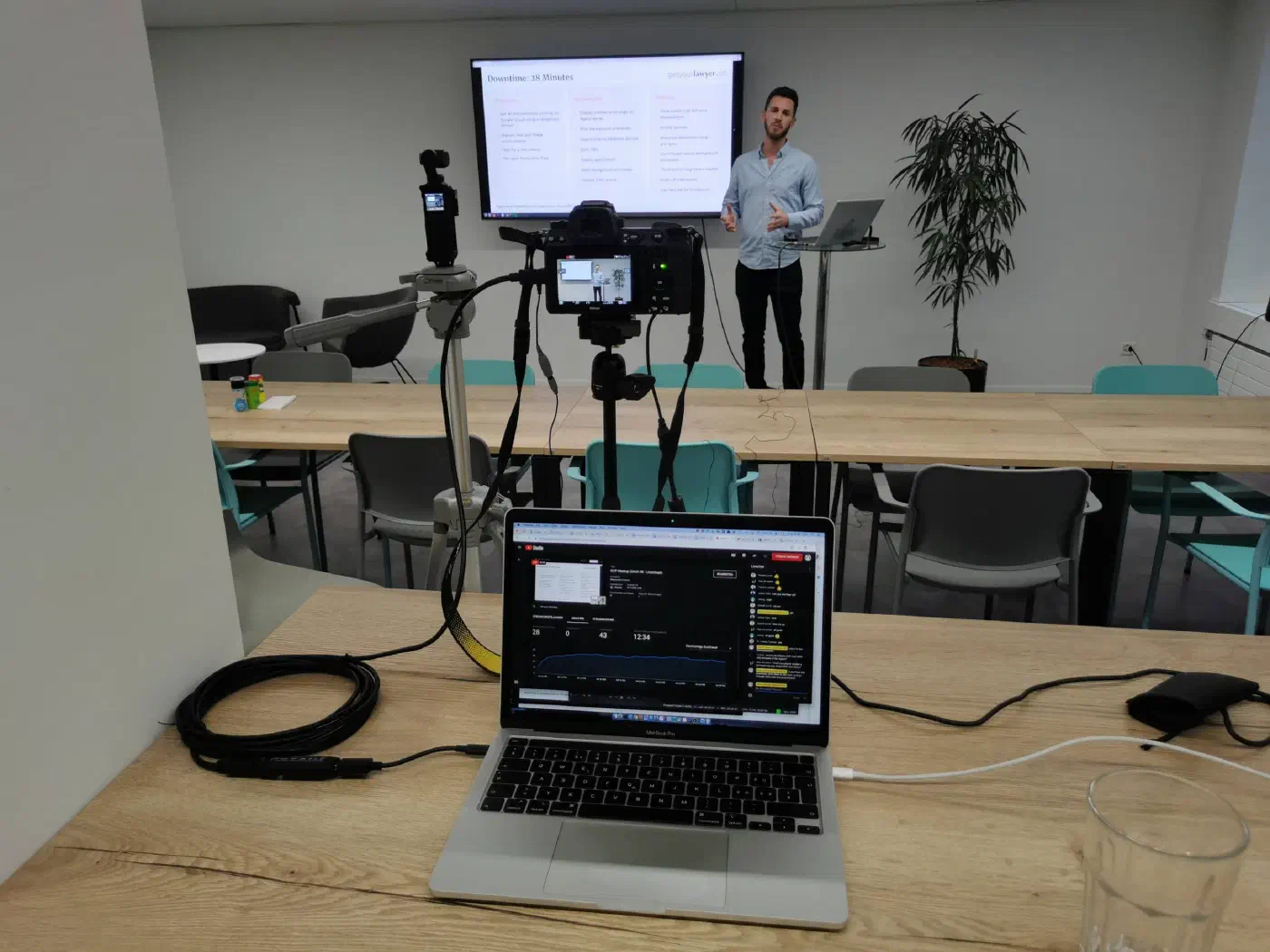
The Google Cloud Meetup #6 took place on November 10, 2020 in Zürich City in the cafeteria of Nine. …

Announcing: The newest Ubuntu distribution-release is now available for our “Managed Servers”. New …
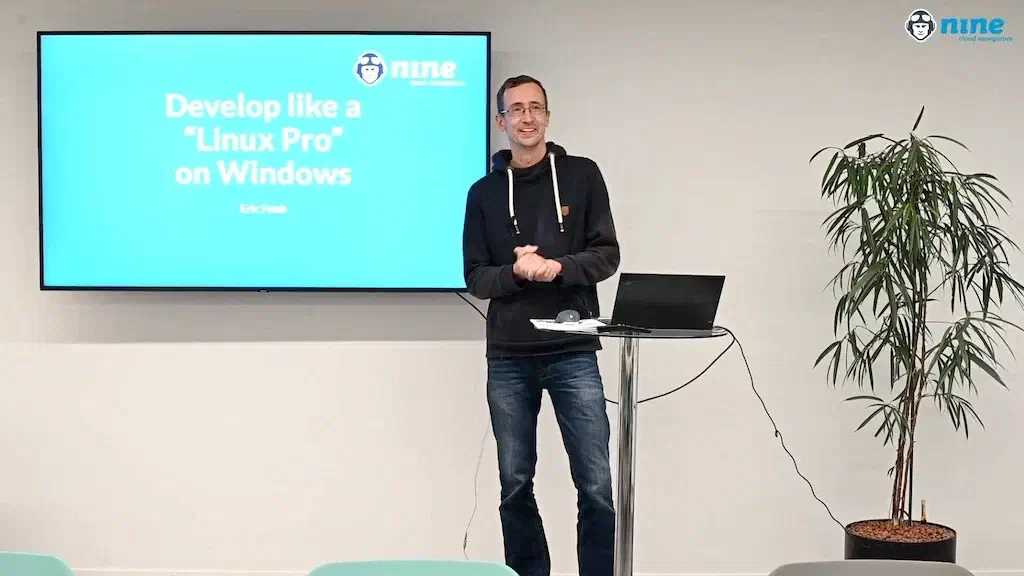
Our TechTalkThursday took place on the 1st of October at 18:00. We had with only 15 participants …
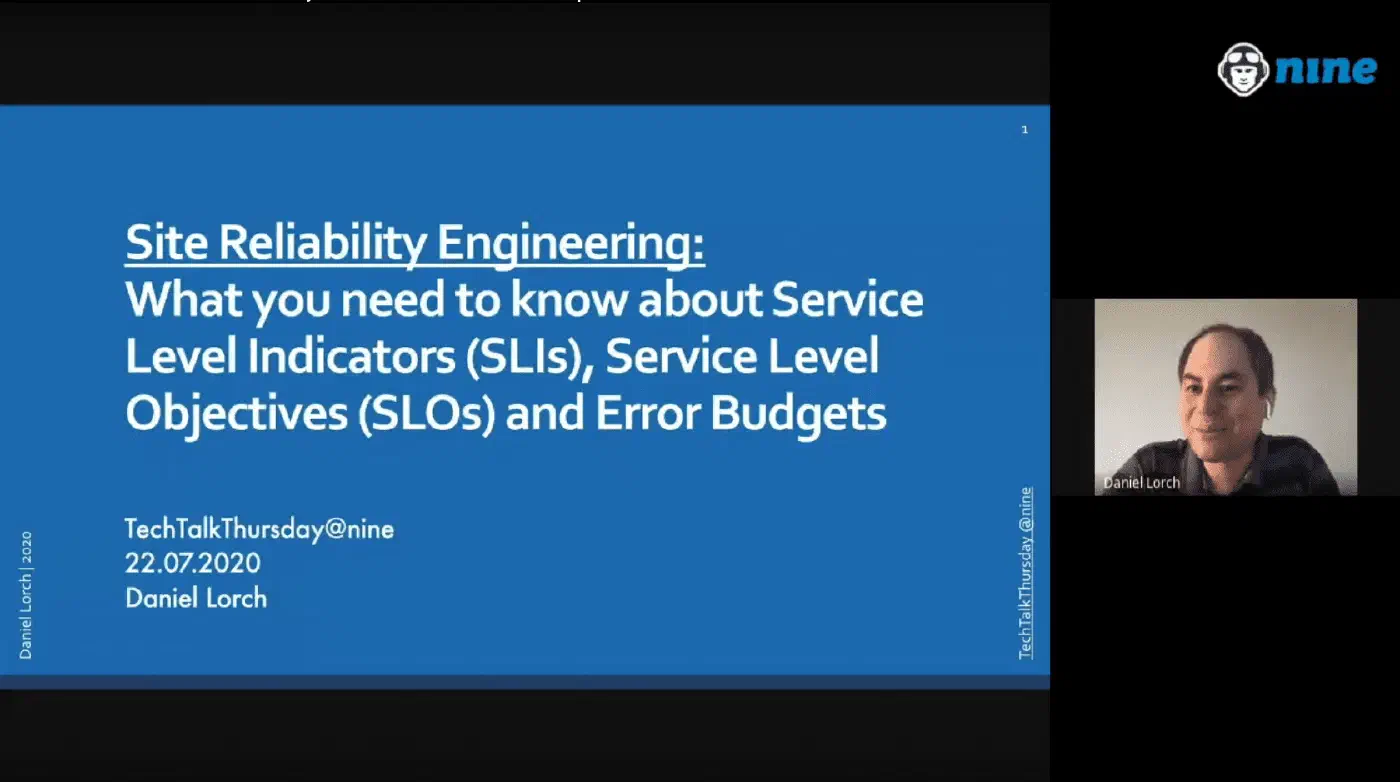
Besides our normal TechTalkThursdays in the evening, we tried new times during lunch and at 08:00 in …

Benjamin Kuster, Sales Development Executive at Nine who reduced his work quota to 20% to found a …

Managed Service Providers are indispensable service providers and partners for a large number of …
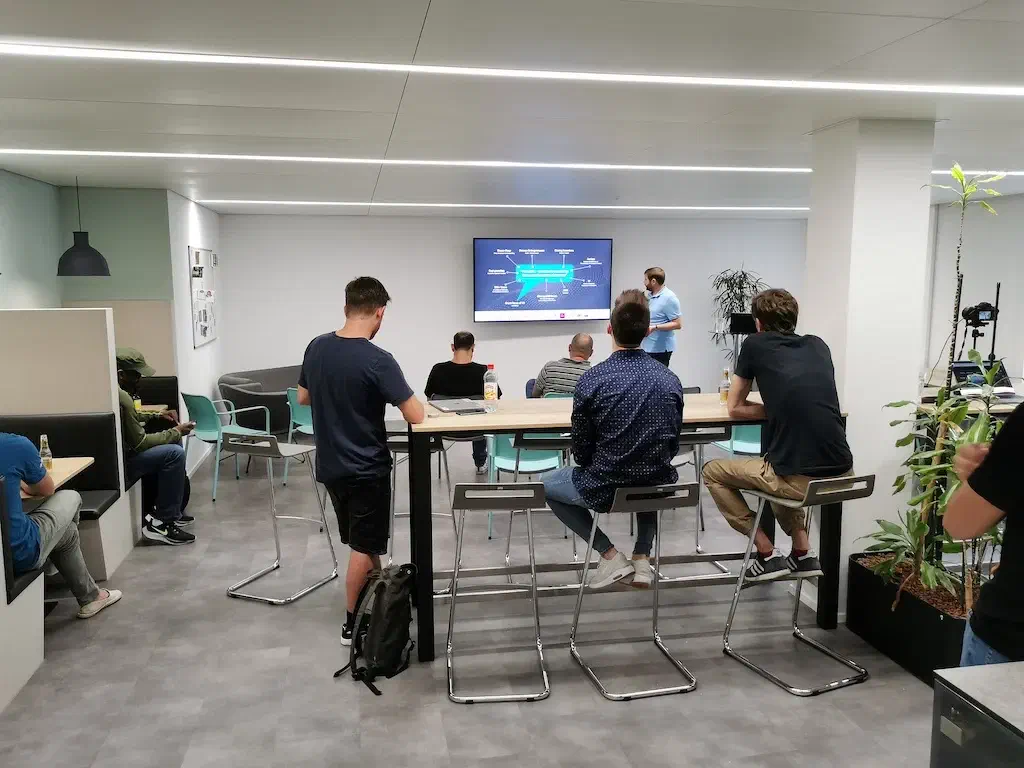
The Google Cloud Meetup #5 took place on 25 August 2020 in Zürich City in the cafeteria of Nine. …

Virtualisation, containers and cloud computing have fundamentally changed the development and …

Cloud computing has been established for a long time. The advantages over the classic supply of IT …

We quite often receive requests like: Do you support Docker? These requests kept growing, and …
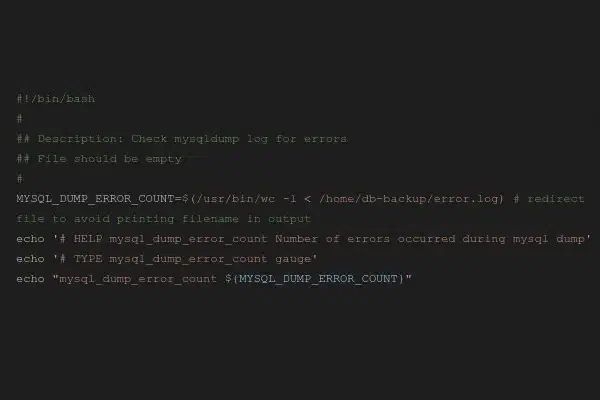
After having previously introduced our new monitoring system Prometheus in this blog, which replaced …

Clouds are servers, or networks of servers, on which corporate applications or services are provided …
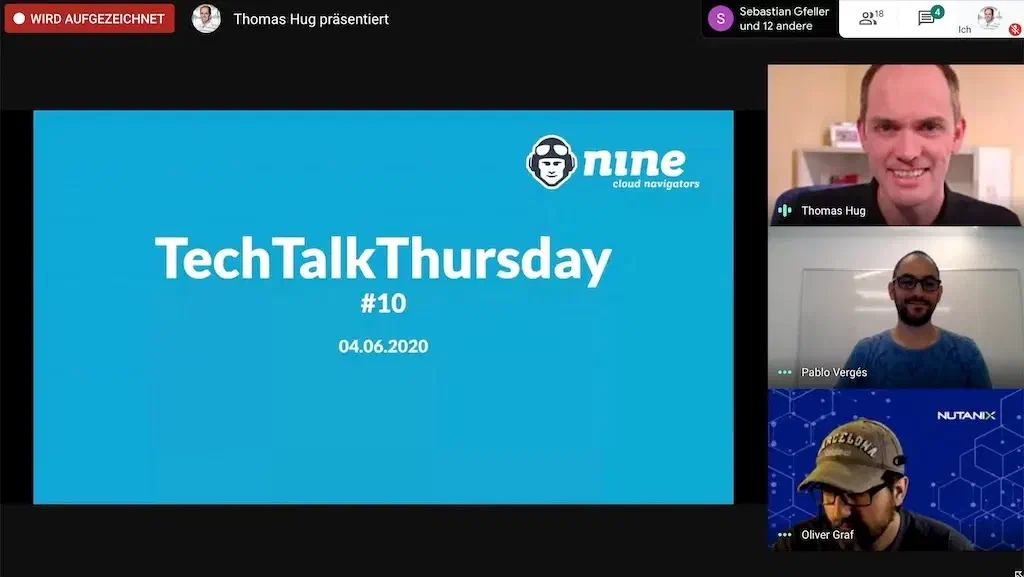
Our TechTalkThursday took place on the 4th of June at 18:00. As Corona is not yet over and since we …
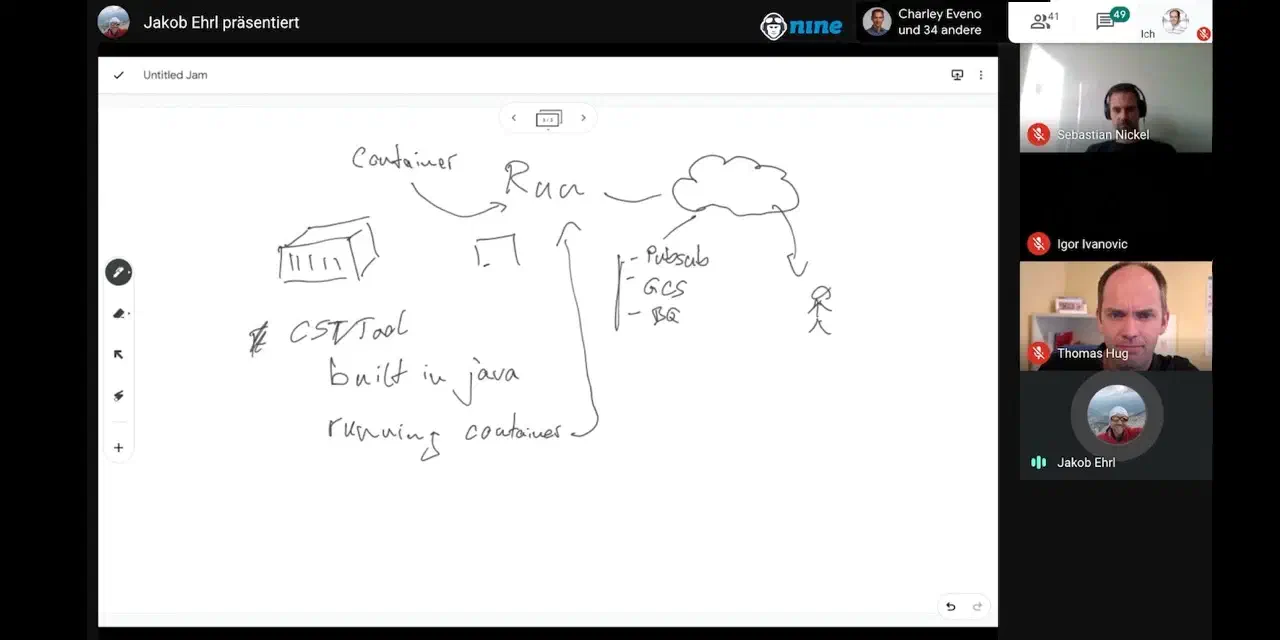
The Google Cloud Meetup #4 took place on 19 May 2020 for the first time on Google Meet. In …

Processing authoritative requests As every now and then we receive requests by authorities to …


bespinian runs its AI stack Keera on Deploio, our Swiss PaaS, keeping the product's sovereignty …

Demokratis is bringing Swiss democracy into the digital age – for cantons and public authorities …

In late 2024, swissICT faced an unexpected crisis: the previous operator of the ICT Salary Survey …

For the relaunch of supertext.com, Supertext needed a new GPU cluster that required more power …

We supported Peak Privacy in designing and building a specialised server infrastructure for LLM …

We helped Renuo AG to smoothly transition everything that was running on Heroku to Deploio, our own …

We helped mühlemann+popp to smoothly realise the migration from the Google Cloud to the Nine …

We supported healthinal with the implementation of a new monitoring system based on Managed …

We have been instrumental in helping cab to implement an outstanding hosting solution that offers …

We helped Stadler Form to find the right technical solution. At the same time, there were some …

Nine operates the reliable and stable infrastructure for PUPIL, an all-in-one solution for digital …

Nine operates the highly available infrastructure for the Ayyah software based on the Nine …

Nine was involved in the project with consulting and implementation services and support. According …

Through workshops, consulting, and their Kubernetes service stack, built atop GKE, Nine helped …

Clientis needed a solution to satisfy the requirements of the Swiss Financial Market Supervisory …

Through comparis.ch, users can compare everything from health insurance schemes and insurance …

With our Root Servers, the Swiss Red Cross achieves complete independence on an efficient …

When outsourcing the hosting of www.mobiliar.ch and other web projects as part of its brand …

New market conditions, new requirements for their product range: containerising their software has …


With the Managed Virtual Servers, HUG AG benefits from an all-round carefree package including …

Nine provided the expertise, training and optimisation. Through workshops, consulting, and their …

Nine provided the expertise through workshops, consulting, and the services built atop GKE. All …

The Dr. Marc Rutschmann AG is using Managed Kubernetes for creating and managing customer web pages.
Object Storage · S3-compatibleS3-compatible Object Storage under Swiss data protection law, free from the CLOUD Act. Create buckets yourself in Cockpit or with nctl, pay a clear price for storage and outbound traffic, and migrate any time with standard tools.
How Object Storage helps
Store images, videos and user uploads in a bucket instead of on your application server. Should visitors load files directly? Make the bucket publicly readable.
How Object Storage helps
Set custom hostnames and CORS rules for a bucket with nctl or the API.
How Object Storage helps
Point backup tools like rclone or restic at your bucket. Choose a location per bucket, for example a different one than your systems, for real off-site redundancy. Versioning and lifecycle policies help you keep older versions as long as you need.
How Object Storage helps
S3-compatible: works with s3cmd, rclone, restic and the MinIO client, so you can migrate in or out any time with standard tools.
How Object Storage helps
Containers are stateless, so keep your files in a bucket and connect from Managed Kubernetes or Deploio with any S3 client library.
How Object Storage helps
Data stays in Swiss data centres and is secured with AES-256 encryption at rest. Each bucket user gets read or write permissions per bucket, with its own access key and secret key.
Object Storage is self-service: you create buckets and users in Cockpit or with nctl, we take care of the infrastructure behind it.
We handle
You decide
Persistent file storage for stateless containers
Recommended file storage backend for PaaS apps
Off-site backup target via rclone or restic
S3-compatible backup space for your own backup strategy
S3-compatible backup space for your own backup strategy
Storage for training data and model checkpoints
Select Object Storage. Prefer the command line? Use nctl.
Choose the location nine-cz42 or nine-es34, optionally enable versioning, and give the user read or write permissions.
Point s3cmd, rclone, restic, the MinIO client or your framework to cz42.objects.nineapis.ch or es34.objects.nineapis.ch.
Billed per GiB started, you only pay for what you actually use. The default quota is 1 TB; if you need more, get in touch and we’ll adjust it. Full, up-to-date pricing in the Price Calculator. Need block storage instead? Have a look at Managed Server or Managed Kubernetes (NKE).
«Nine supported us optimally with their Managed Kubernetes solution to migrate our client's application to Kubernetes.»
 Silvan MühlemannCTO & Co-Founder
«Nine is the ideal partner and convinces through expertise, reliability and exceptional support that offers us an all-round successful solution.»
 Lukas LehmannCo-Founder
«Our mission is digital democracy, not server management. With Deploio's PaaS solution, we don't have to worry about the infrastructure at all.»
 Fabian LigibelStrategie & Produkt
Technical questions? You’ll find the details in the documentation.
From colocation to Root and Managed Products, platforms and services: all with us, in our Swiss data centres. Grow from one layer to the next without switching providers. The highlighted layer is this page.
Pay only for what you actually use.
Do you have questions about our products? No problem. Contact our sales department or go directly to your Cockpit to see all the possibilities at Nine.
Already a customer? Documentation · Support · Status
