 Status














































































One Slack message, a seamless migration – and finally cloud hosting from Switzerland.
The Starting Point: Heroku Was No Longer Sustainable
Renuo AG is a Swiss software engineering company with a clear mission: write great code – preferably in Ruby on Rails. Server administration? Not their thing. For years, Heroku fulfilled exactly this purpose: push code, deploy, done.
But as an owner-managed Swiss company, something fundamental bothered Renuo: Heroku is American and runs on AWS. That means the US CLOUD Act, data outside of Switzerland, and ultimately zero control.
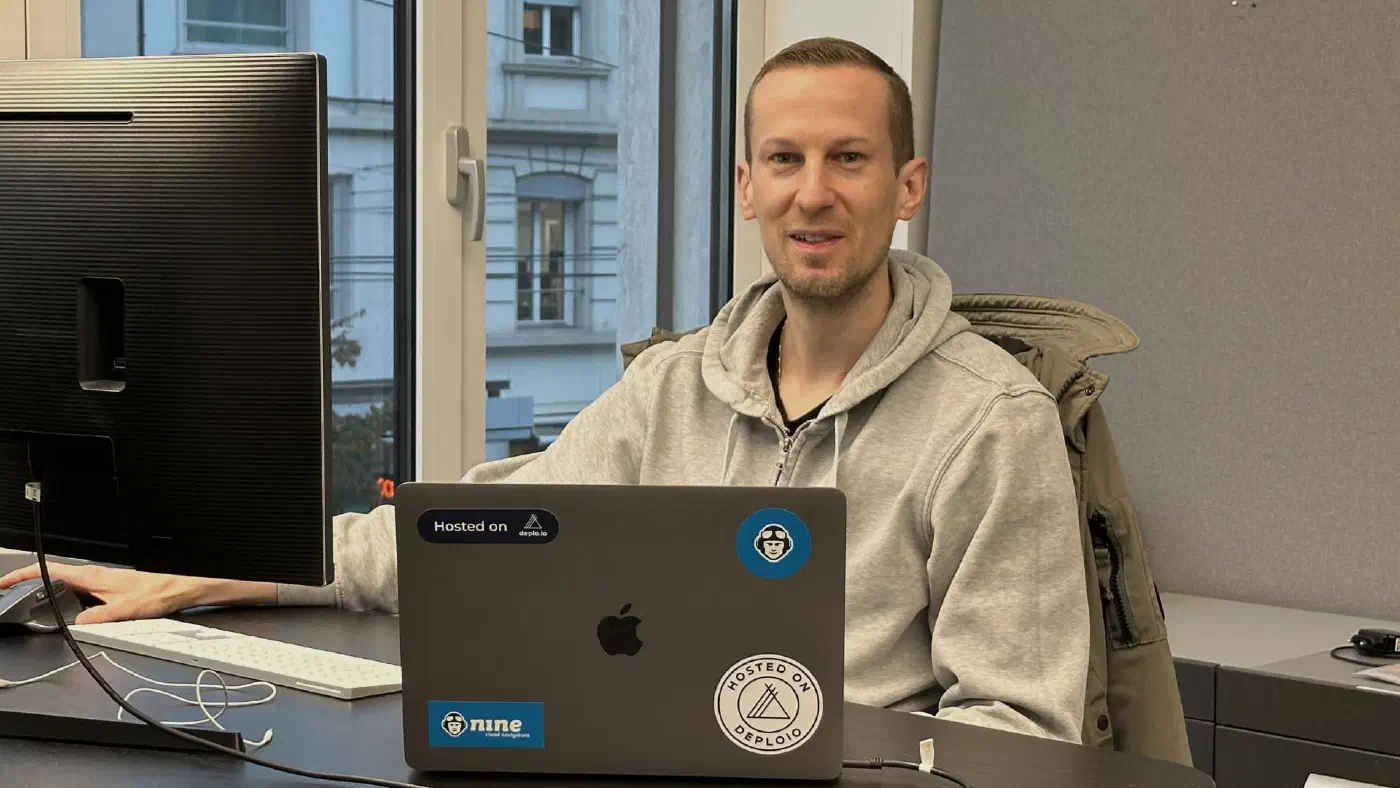
“We often thought about how it should be possible to use a product as cool as Heroku in Switzerland – where we can kick down doors if we don’t like something,” explains Josua Schmid, CTO of Renuo. “Good luck doing that with Salesforce.”
On top of that: The enterprise contract with Heroku was, as Schmid puts it, “a construct from hell.” Rising prices, eliminated free tiers, and increasing outages didn’t help matters.
The Solution: Deploio – The Swiss Heroku Alternative
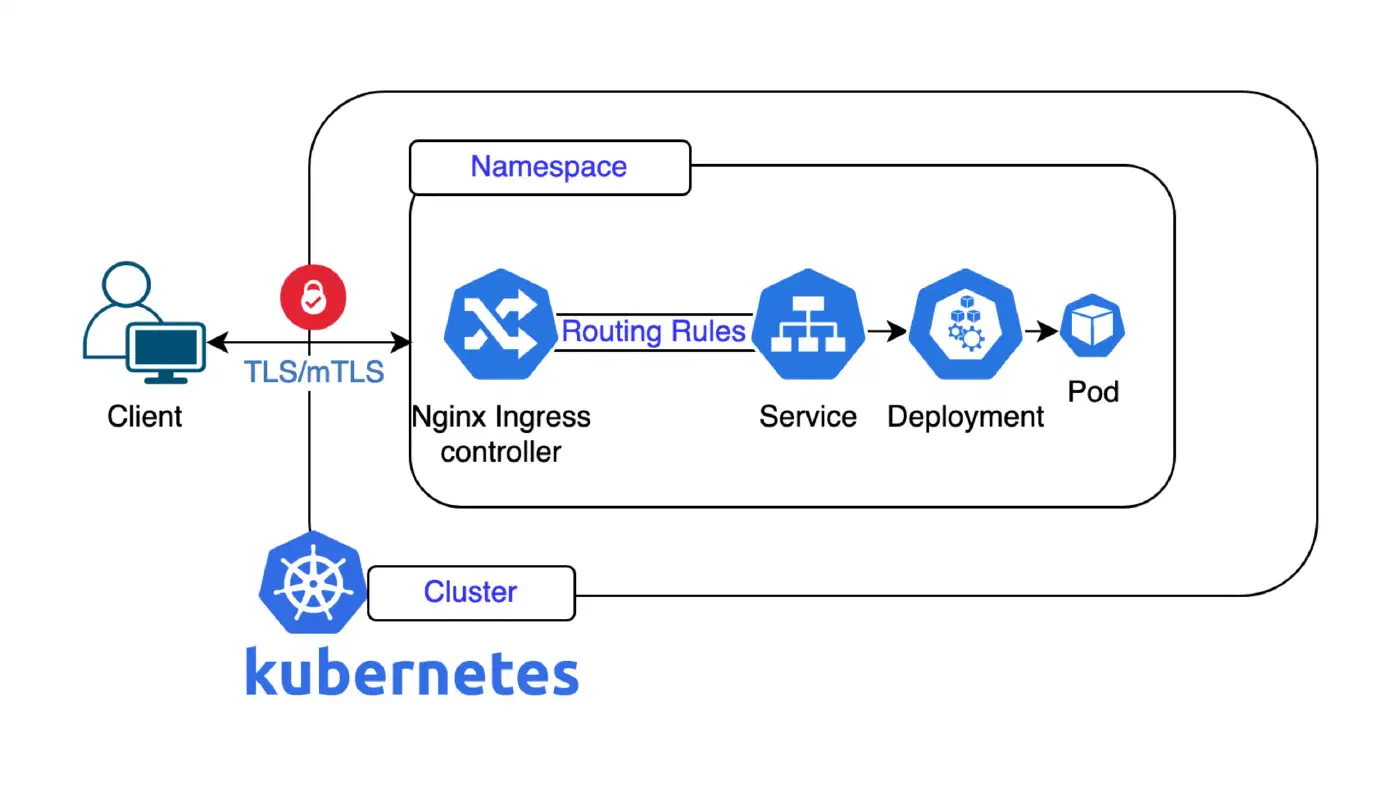
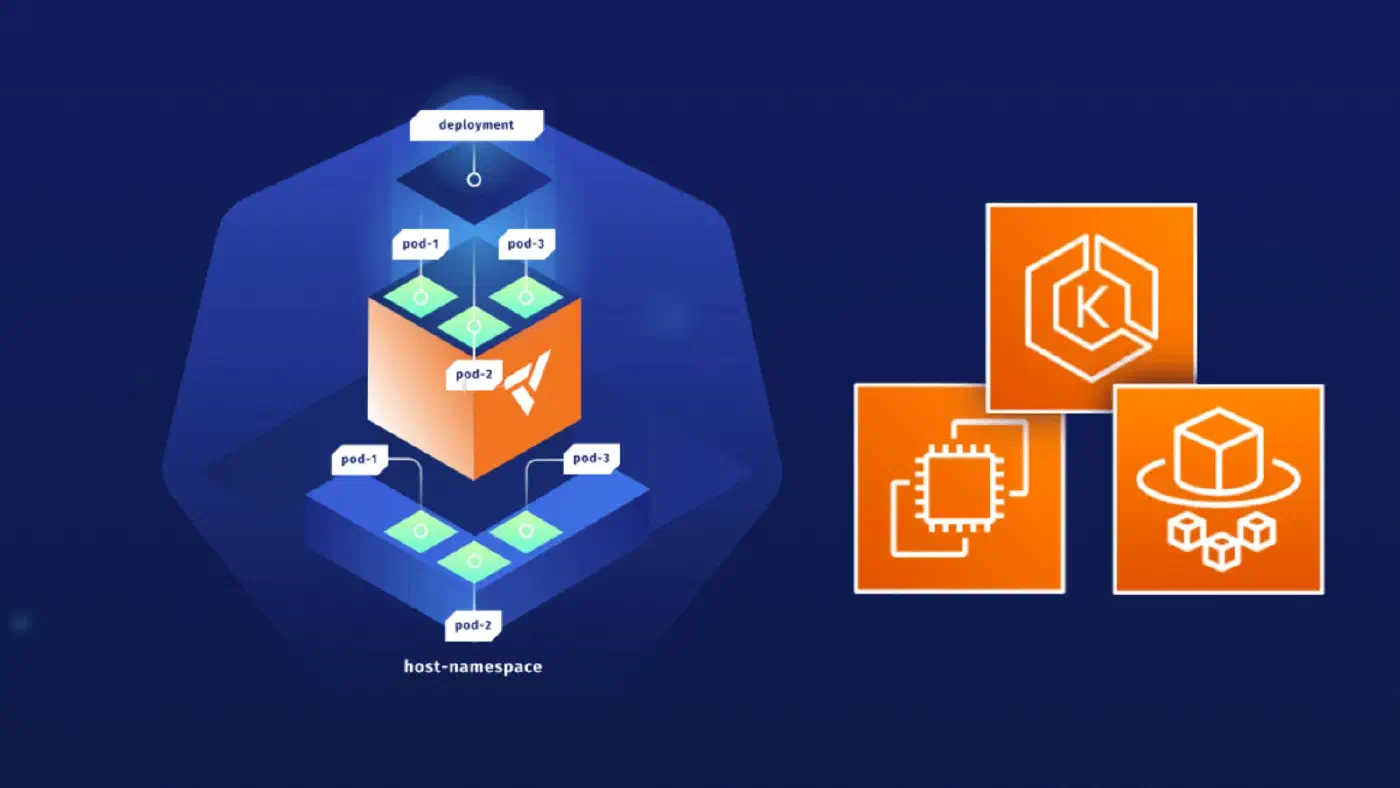
Deploio wasn’t born in isolation – it emerged from two independent ideas that converged at exactly the right time. Renuo had long wanted to move away from US hosting and run their applications in Switzerland. Meanwhile, we at Nine had already been considering building an application engine on top of our existing Kubernetes infrastructure in the summer of 2022 – an additional layer to make our services more accessible.
The trigger came in August 2022, when Heroku announced a pricing change that would have nearly quadrupled costs for Renuo. On September 23, 2022, Samuel Steiner, co-founder of Renuo, posted in an entrepreneur network asking whether others were experiencing similar pain with Heroku. Tom Hug, CEO of Nine, saw the post and replied: “We don’t have the same problem, but maybe we need to talk.”
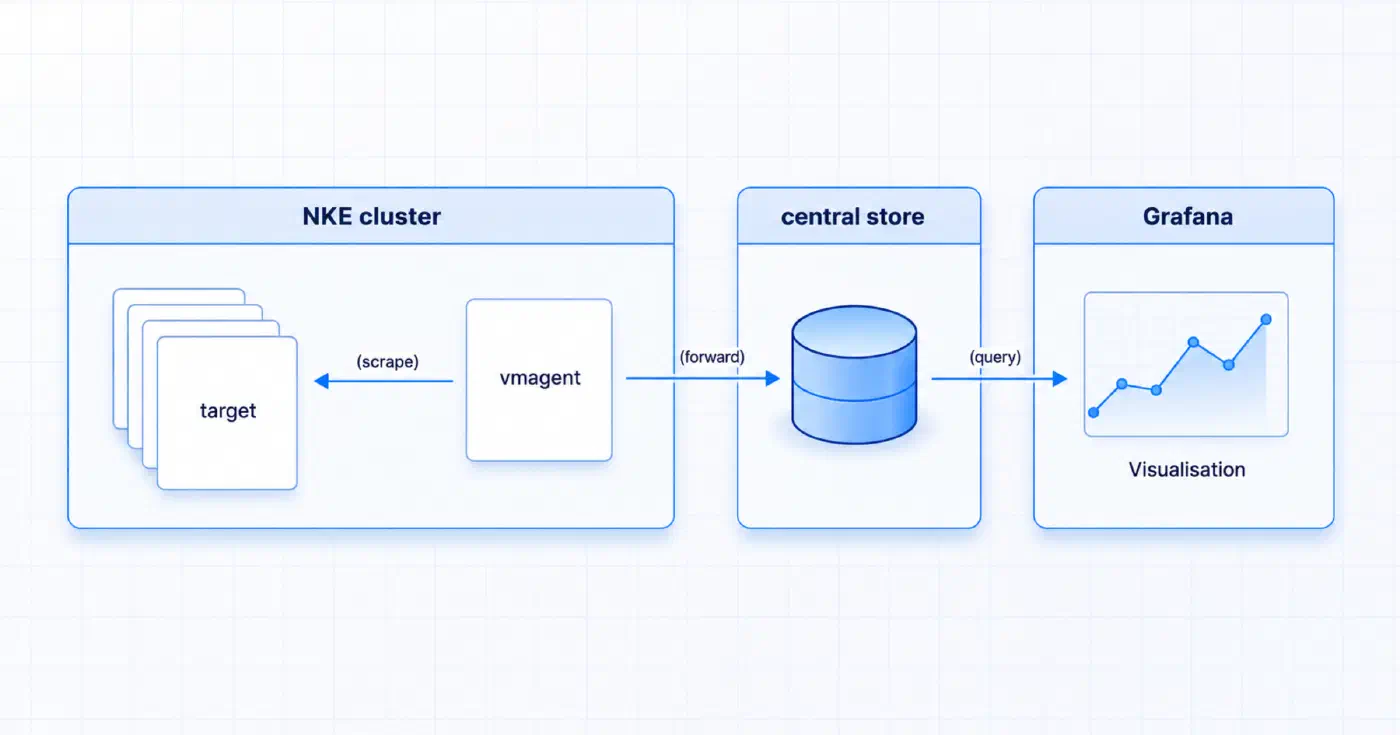
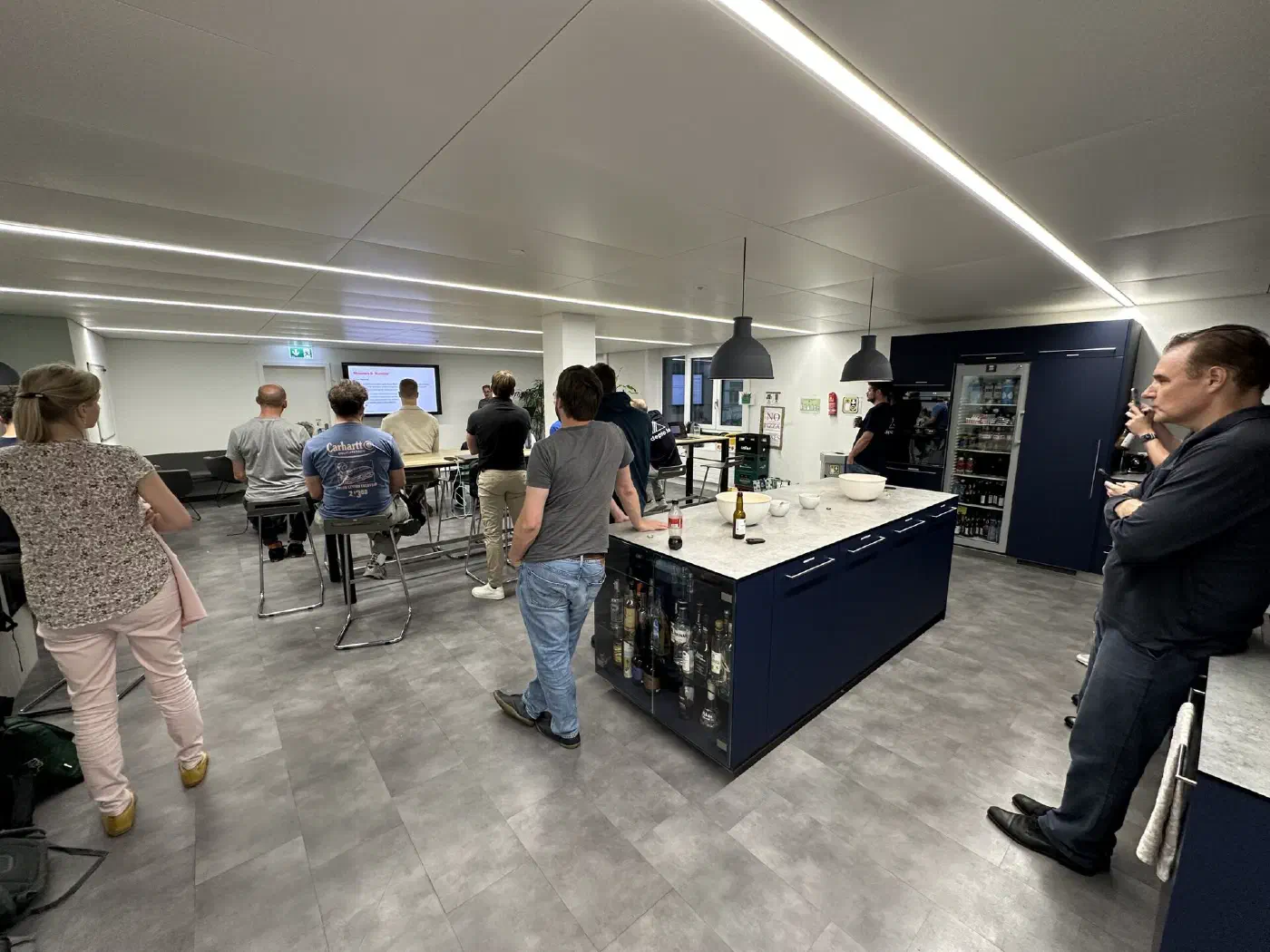
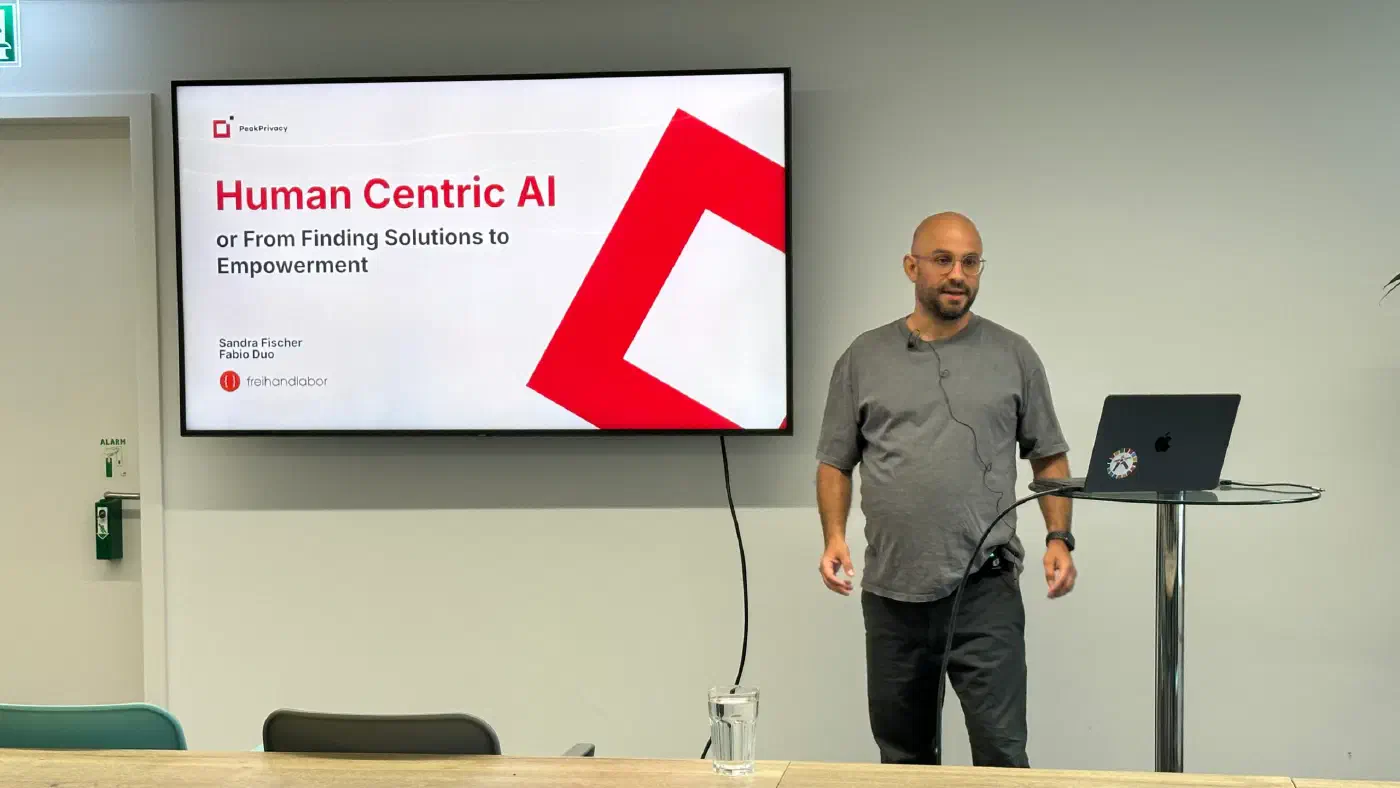
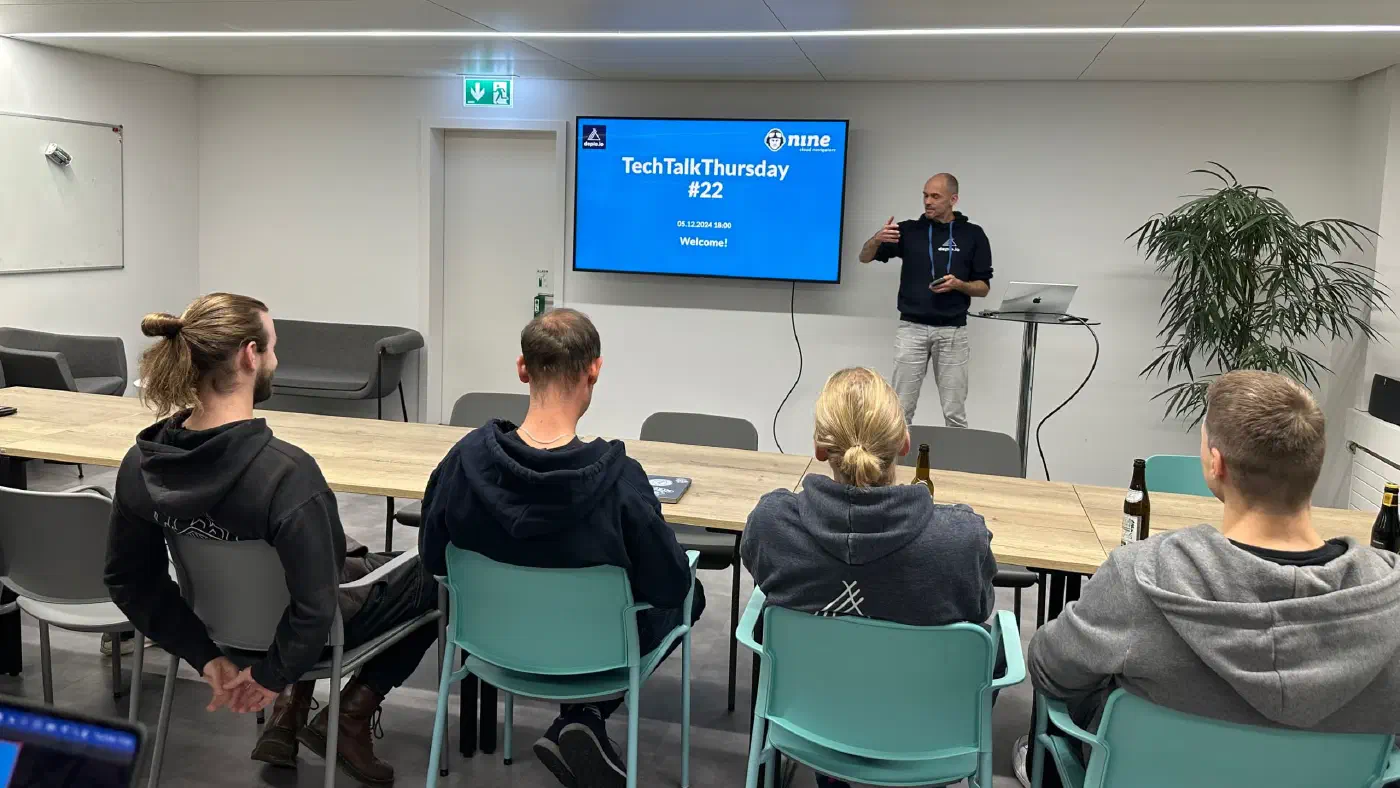
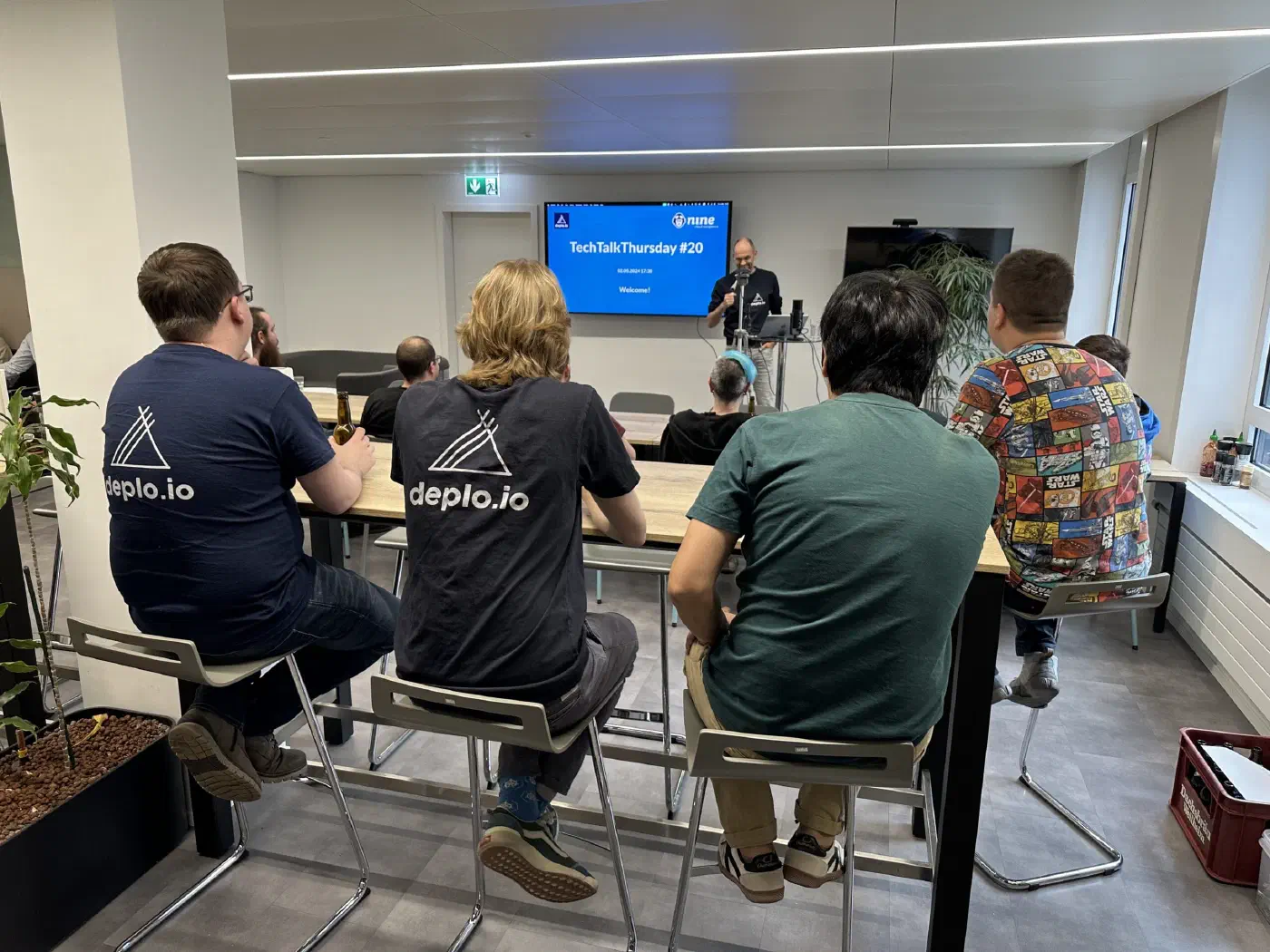
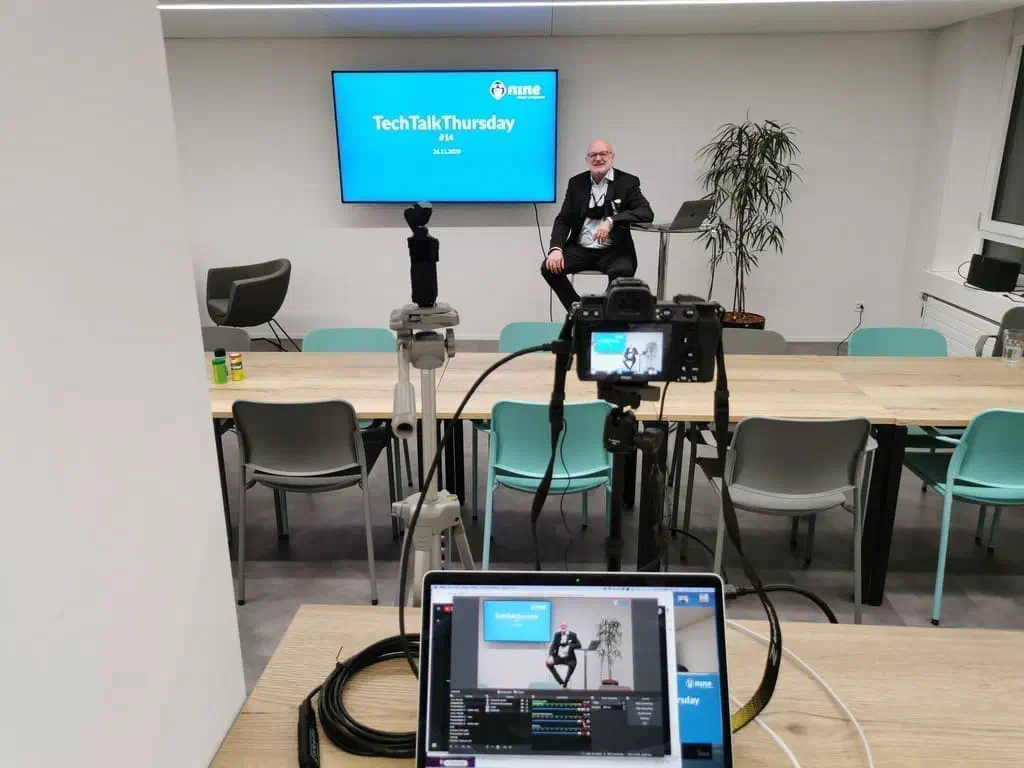
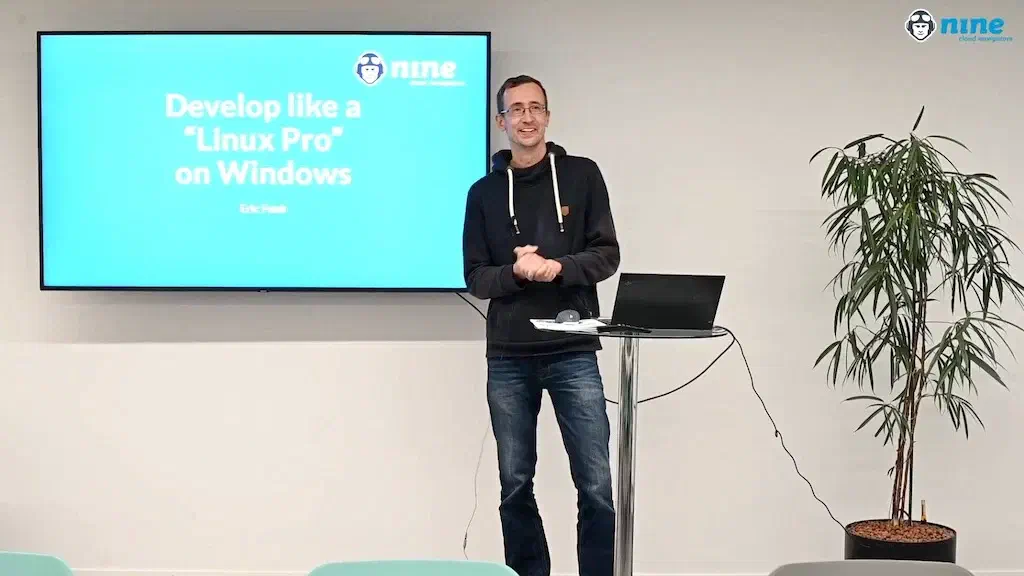
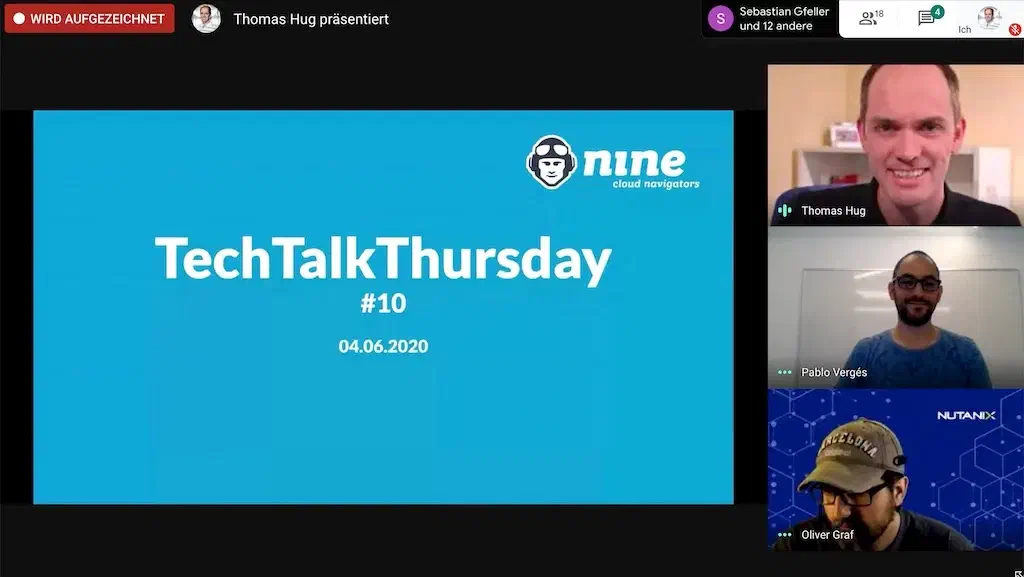
What followed was a collaboration that benefited both sides. Nine brought the entire technical foundation – our own data centers, Nutanix infrastructure, and the Nine Kubernetes Engine (NKE). Renuo brought the customer perspective. “As engineers, we often built things we thought were cool,” Tom Hug shared at TechTalkThursday #18. “With Renuo on board, we had someone showing us what the market actually needs.”
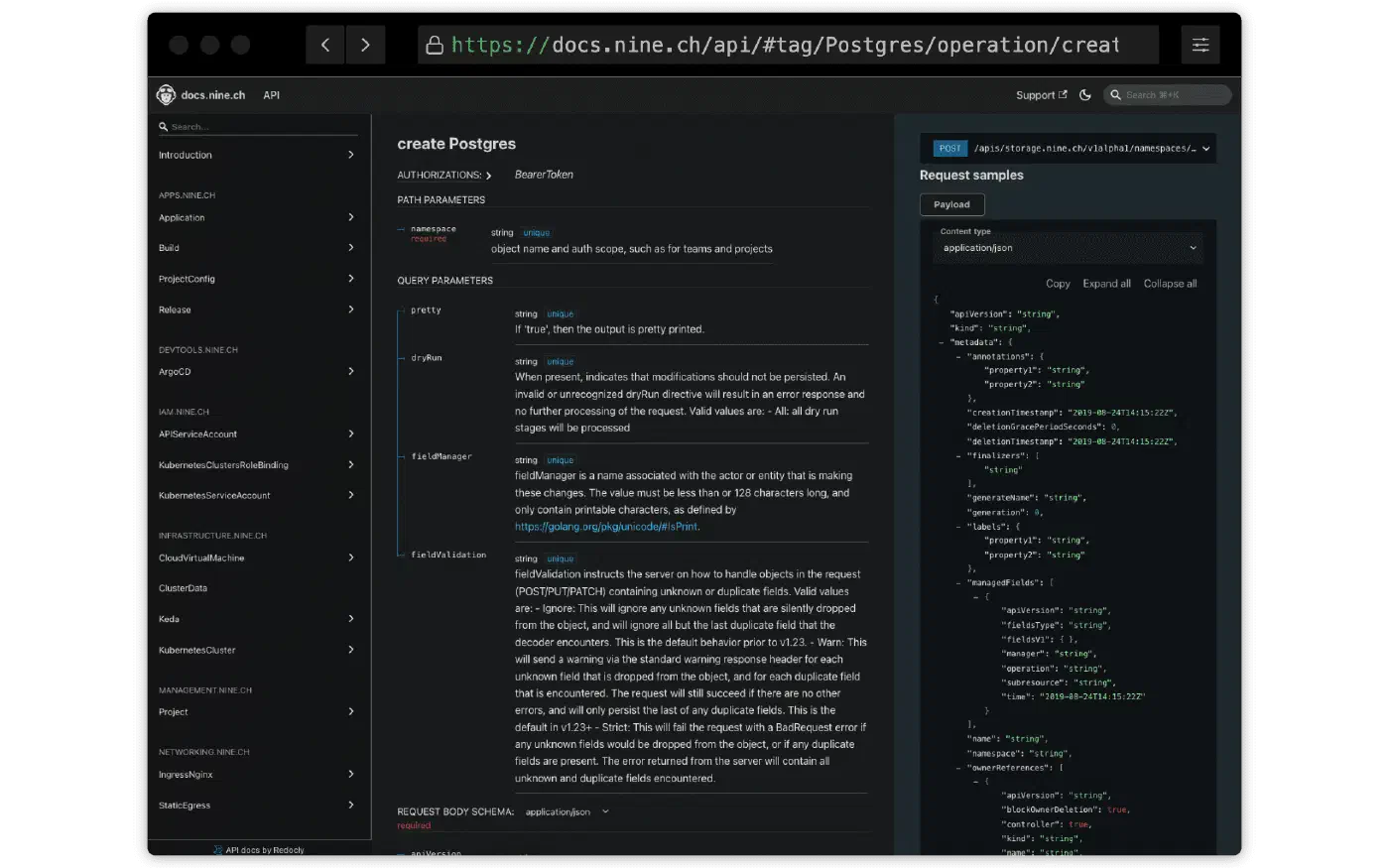
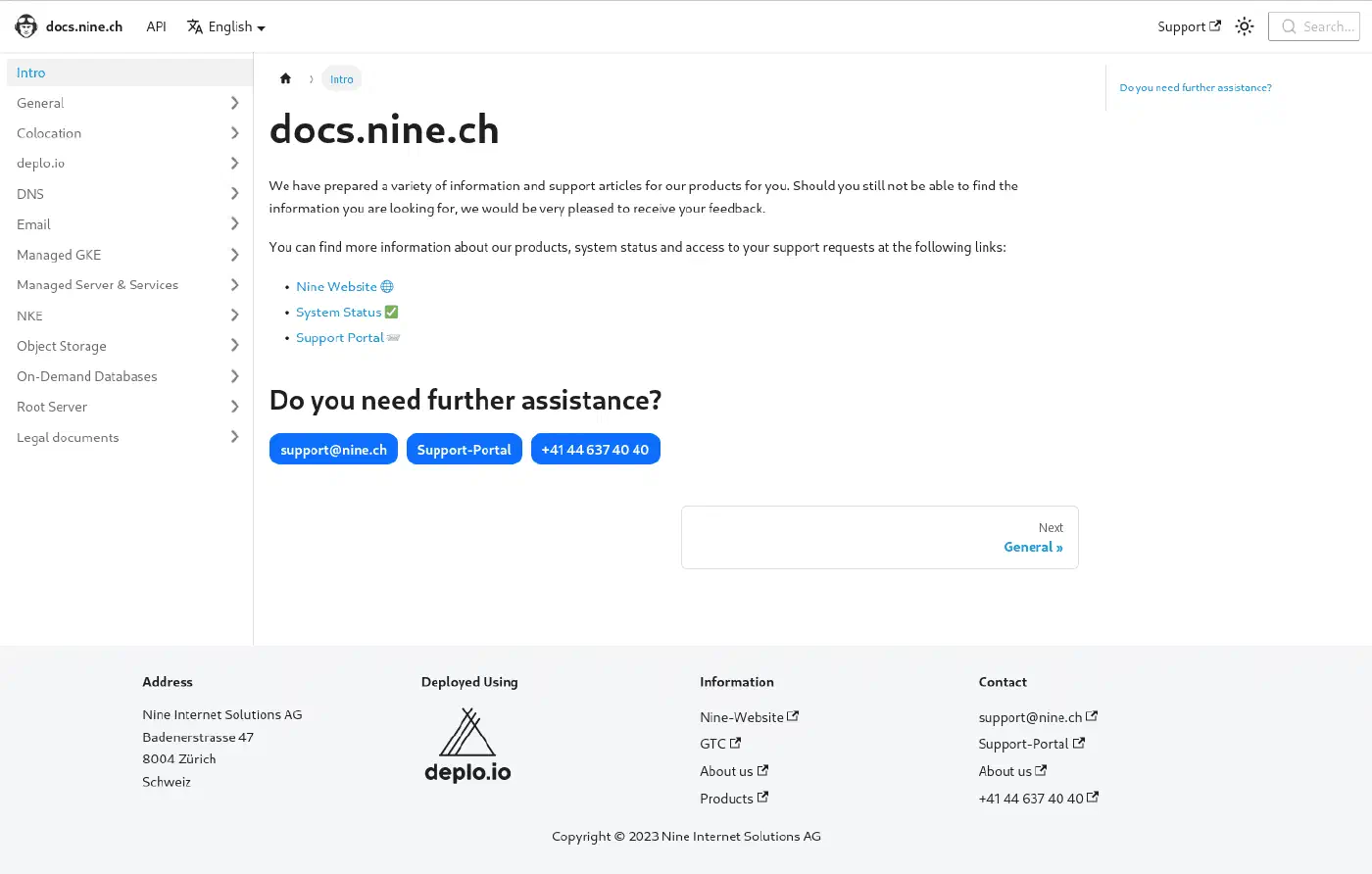
The go decision for the MVP was made at the end of November 2022. The team additionally validated the idea with ten other agencies – the feedback was overwhelmingly positive. From July 2023, we invited 30 beta testers, in August 2023 we migrated docs.nine.ch as the first production application to Deploio, and by autumn 2023 the platform was gradually rolled out to all customers.
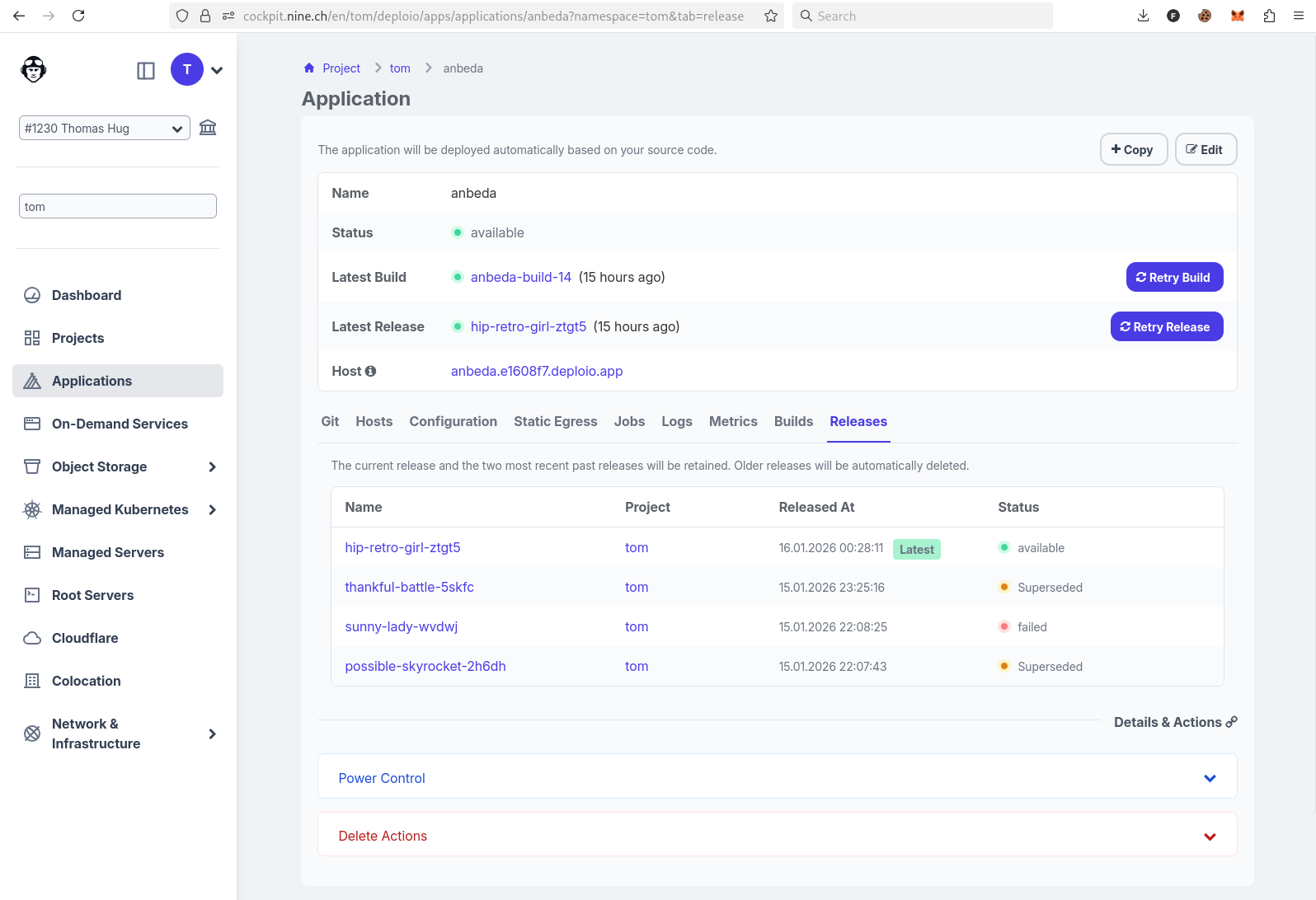
The result: a PaaS solution that takes a Git URL and returns a running application with SSL certificates – on Swiss infrastructure, with crucial differences to Heroku:
- Swiss location: All data stays in Switzerland
- No CLOUD Act: No US government access
- Personal support: Real engineers instead of anonymous ticket systems
- Fair pricing structure: Transparent and without hidden costs
For Renuo, the migration was seamless. The team could continue focusing on what they do best: writing code. The rest – Kubernetes, bare-metal servers, kernel updates, client separation – is in our hands.
The Result: Focus on Code, Not Infrastructure
Being in the software business doesn’t automatically mean knowing the infrastructure business inside and out. Renuo didn’t want to run Kubernetes themselves or have anything to do with bare-metal servers.
Today, Renuo’s workflow looks like this:
- Develop code
git push- CI/CD runs automatically
- Customers can test
We – in this case with Deploio – take care of the entire Swiss infrastructure. Renuo can fully focus on writing excellent code for their customers.
What Renuo Says About Deploio Today
“Cloud yes, but preferably in Switzerland from a Swiss company with capable engineers, not just Amazon resellers – that’s what we get with Deploio. Nine takes care of the infrastructure, is located in Switzerland, and the people there do their job very well. I haven’t had to kick down any doors on Stauffacher yet.”
— Josua Schmid, CTO Renuo AG
What started with a single Slack message has become one of our most valuable partnerships. Beyond the migration, we work continuously with Renuo to further develop Deploio – based on regular feedback from real-world developer workflows.
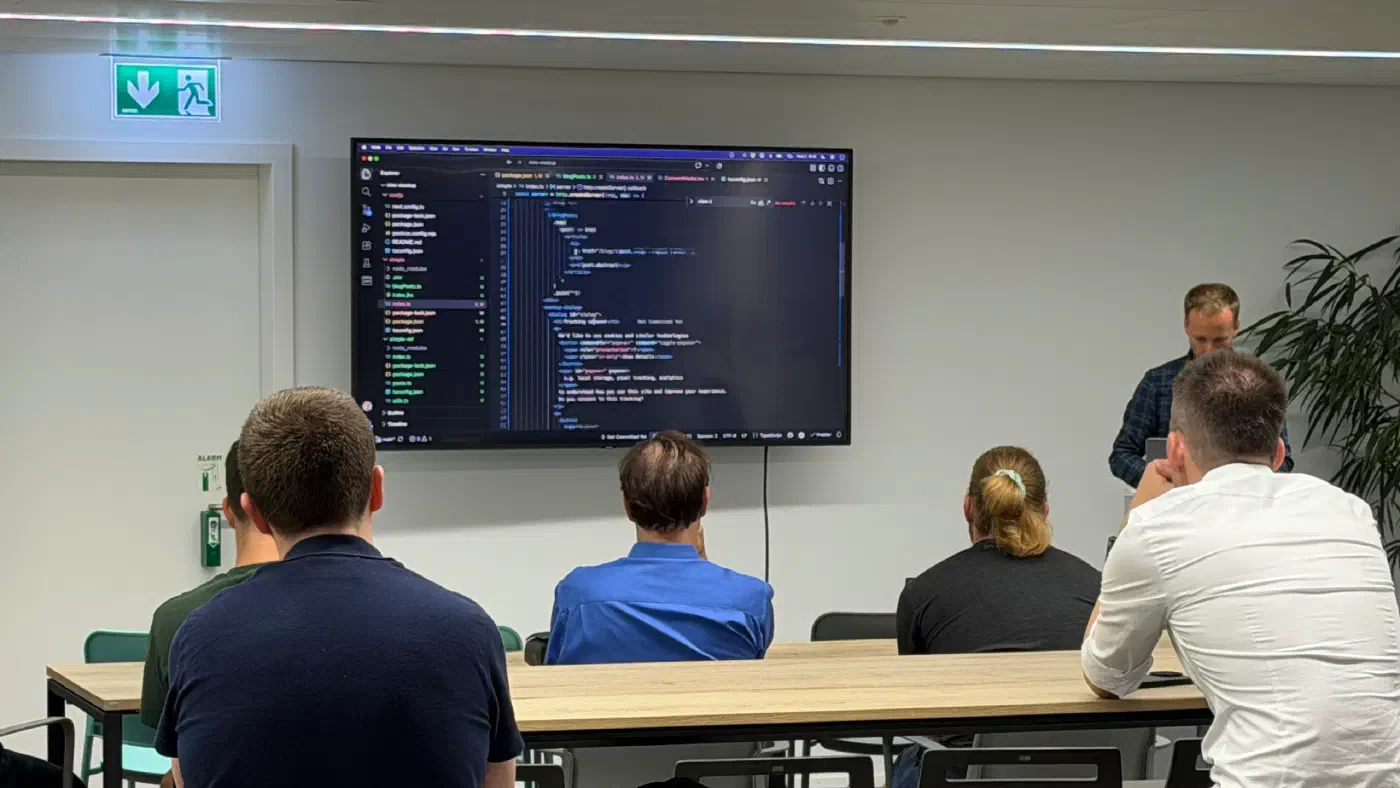
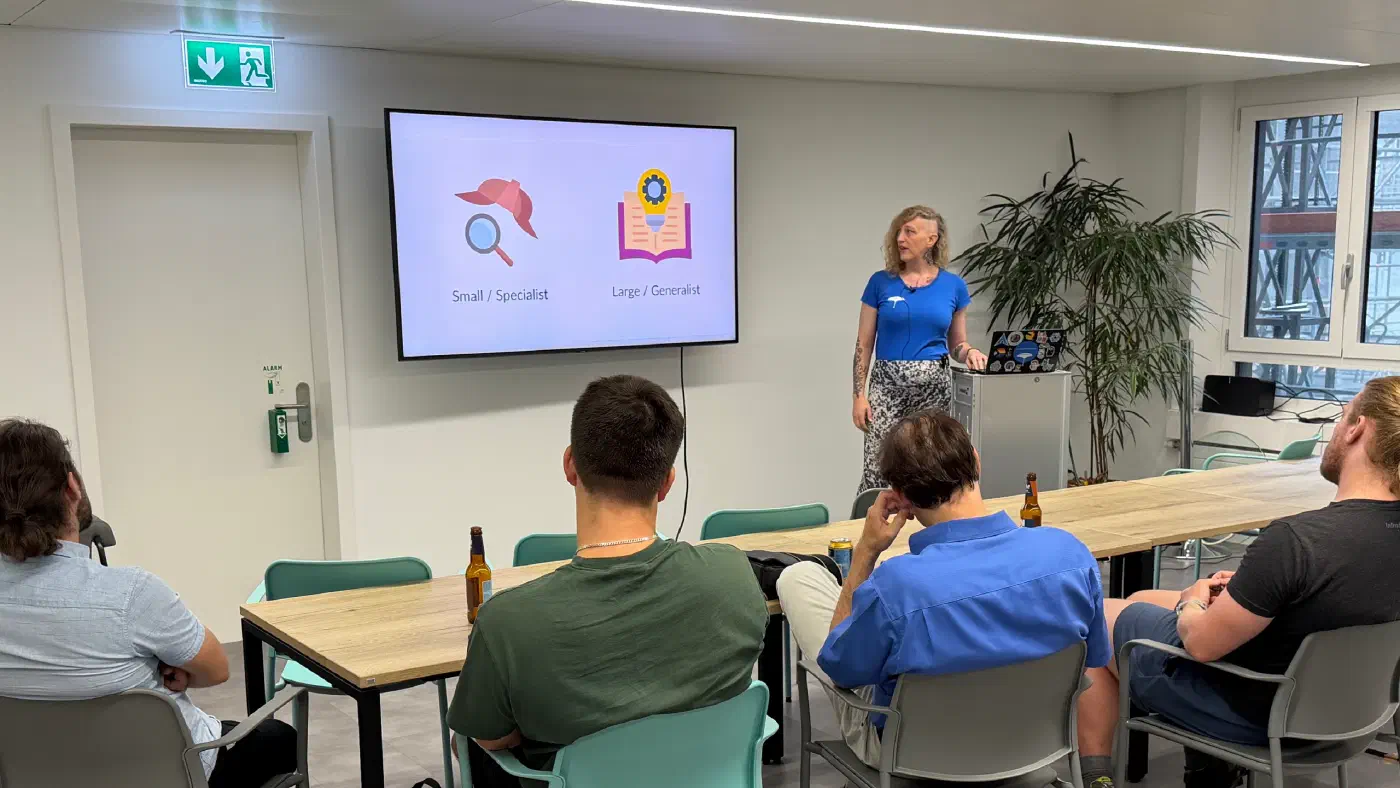
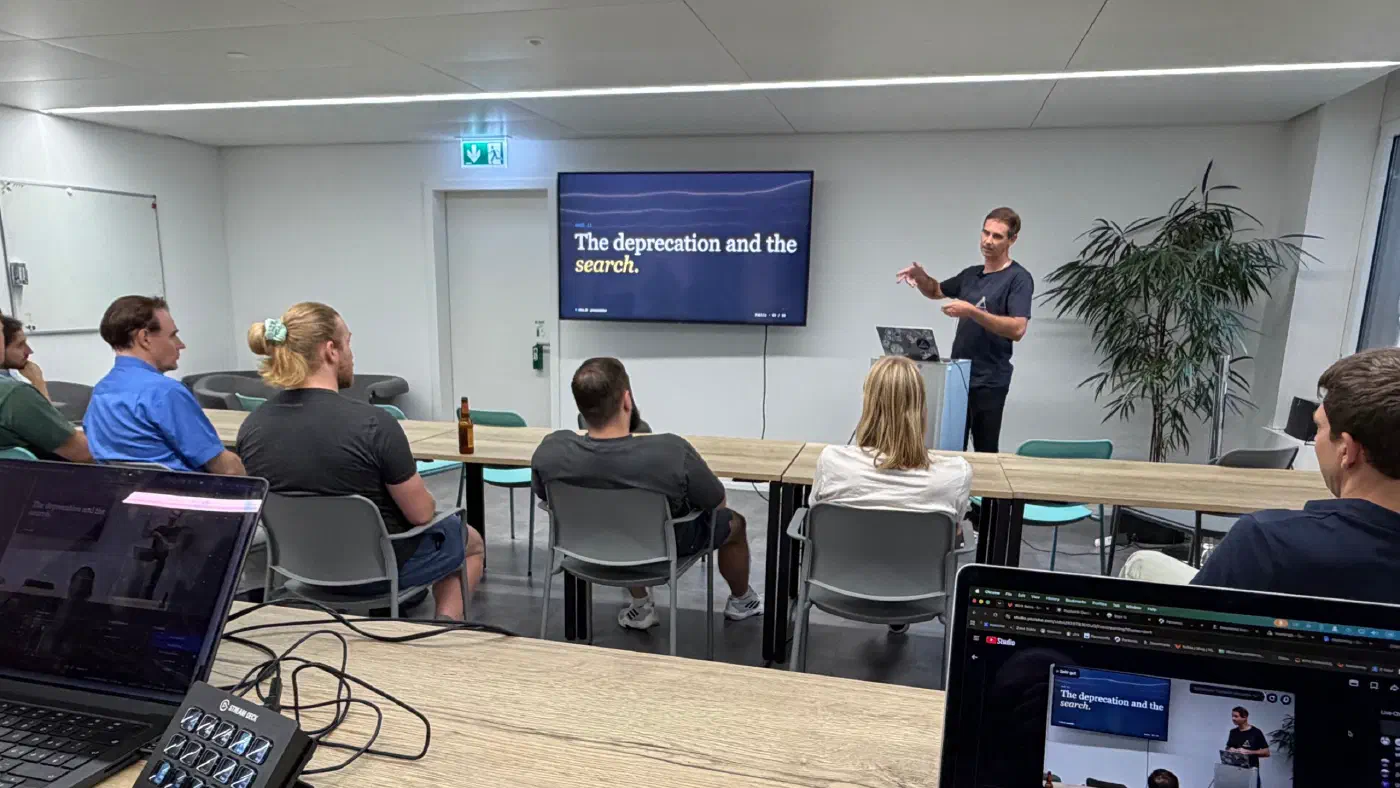
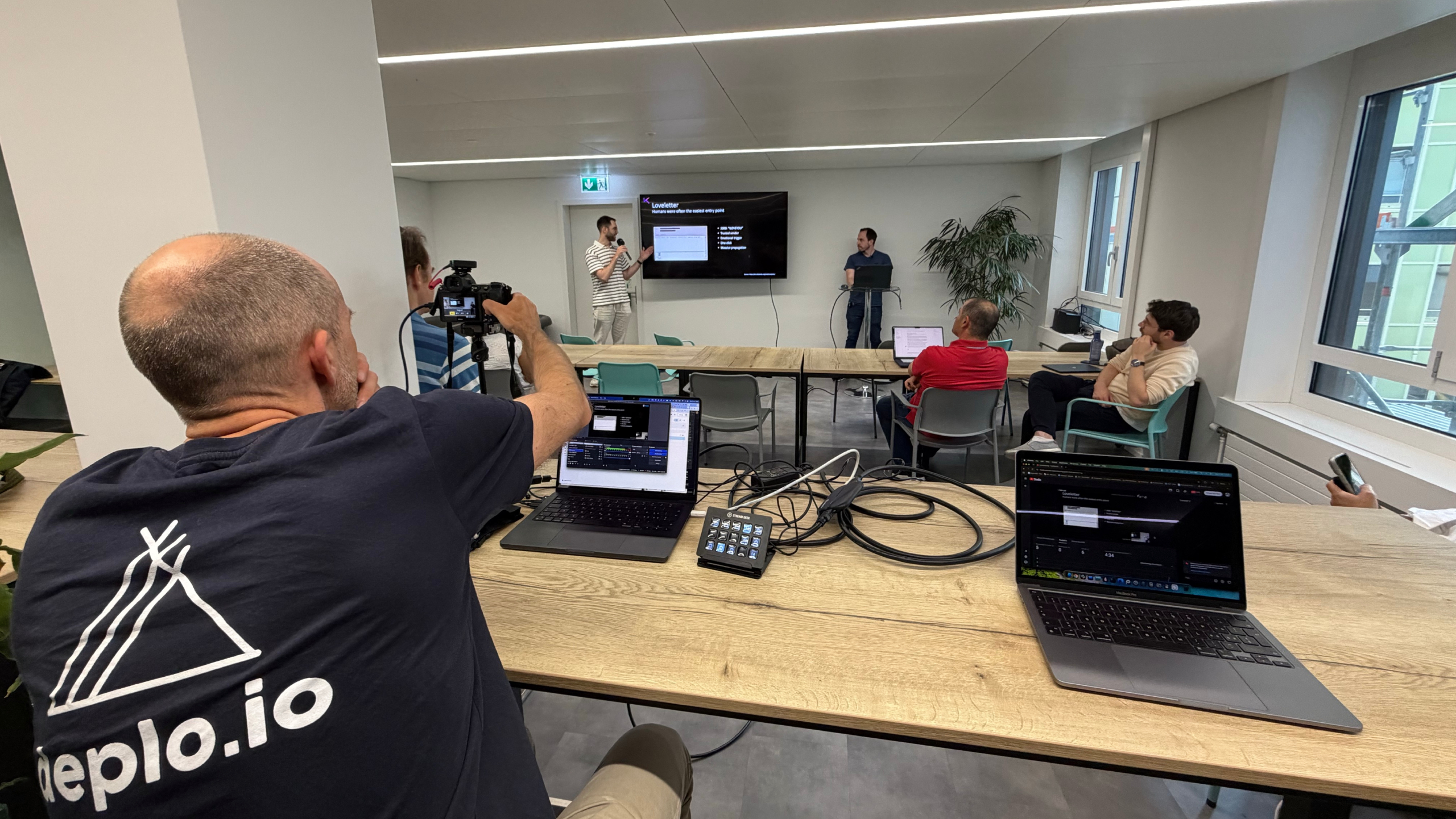
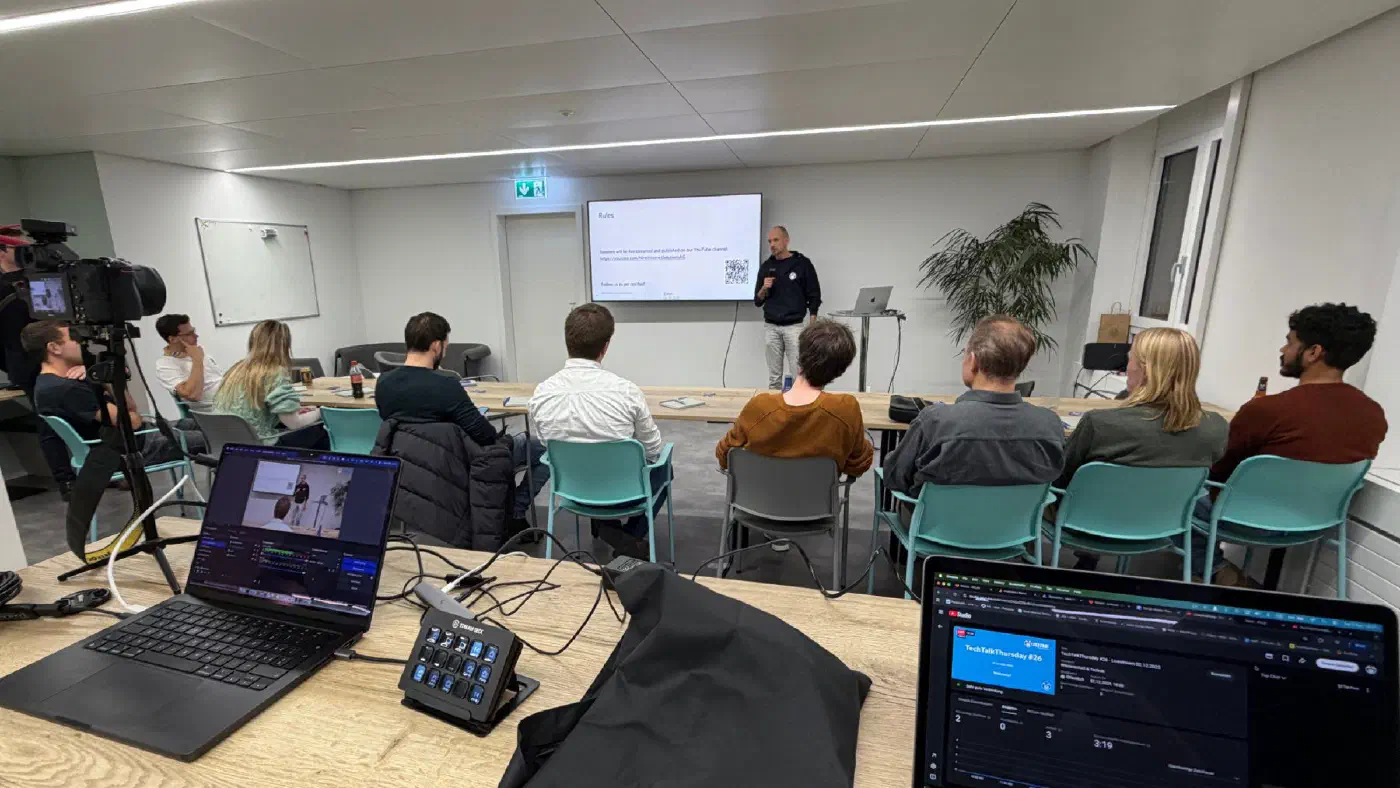
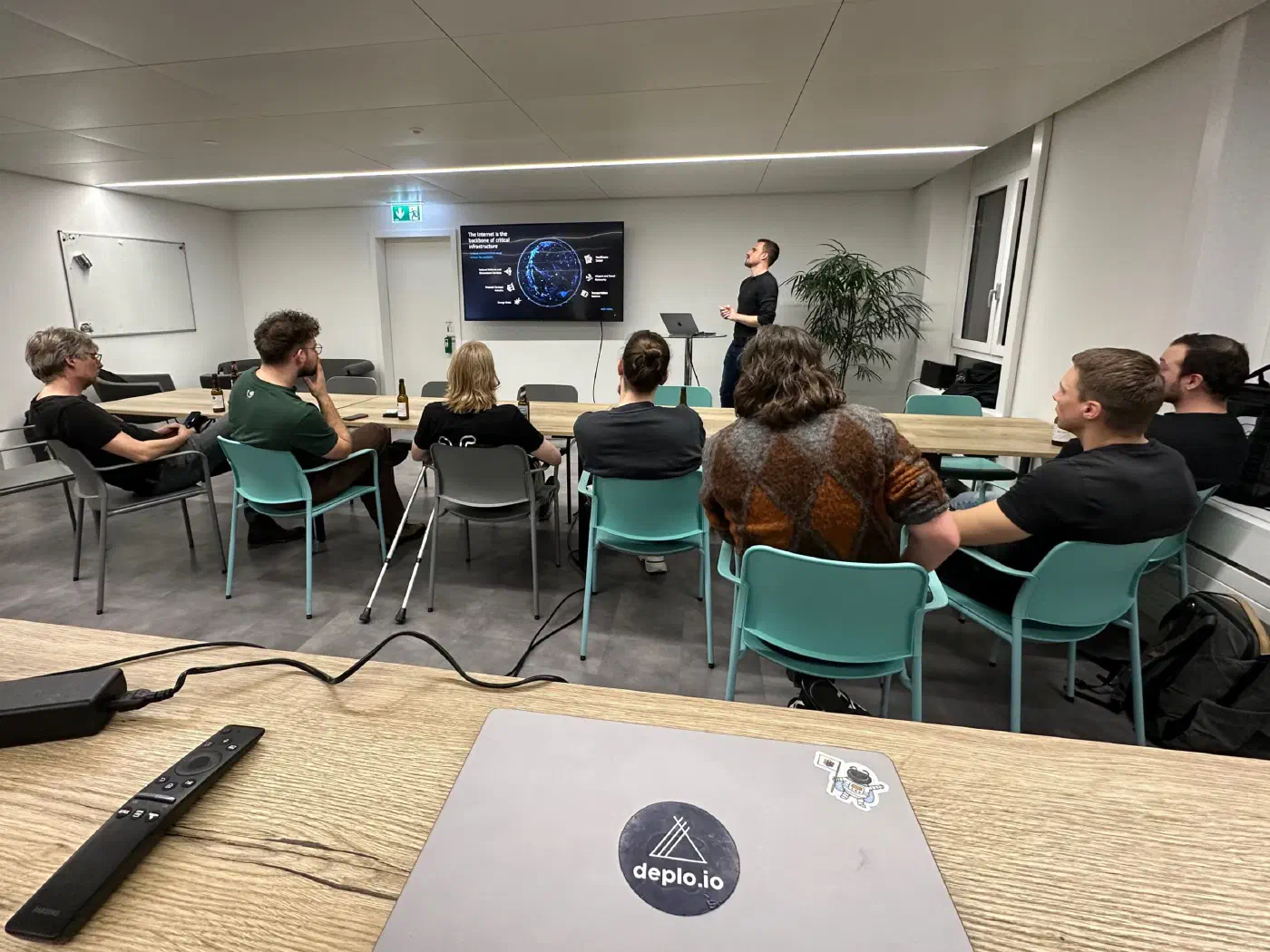
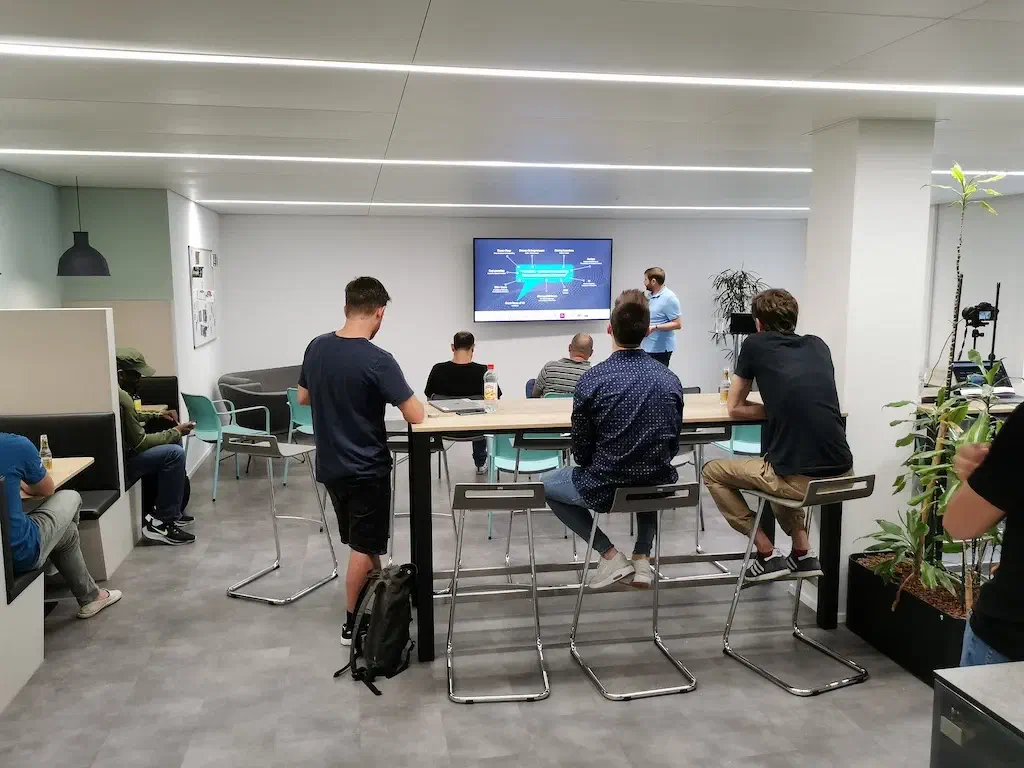
This partnership is also visible publicly: At TechTalkThursday #26, Josua Schmid spoke about “Mental Models vs. Deploio Reality” – an honest insight into the developer experience from a customer’s perspective. And at Swiss Python Summit 2025, we appeared together with Renuo as bronze sponsors.
Why More and More Developers Are Leaving Heroku
Renuo’s case is not an isolated incident. Since Heroku eliminated its free tier and prices continue to rise, more and more Swiss companies are looking for alternatives. The most common reasons:
- Data protection: GDPR compliance and Swiss data sovereignty are becoming more important
- Costs: Heroku is increasingly expensive without offering additional value
- Stability: Outages are becoming more frequent
- Support: Problems lead to anonymous ticket systems
Deploio addresses all these points – while offering the same developer experience that Heroku users are accustomed to.
Update February 2026: Salesforce Freezes Heroku Development
What had been looming for months is now official: in early February 2026, Salesforce announced that Heroku is transitioning to “sustaining engineering mode.” In practice, this means no new features. The platform remains online for now and existing customers can renew their contracts – but new enterprise contracts are no longer being offered.
Salesforce is instead investing in Agentforce, its in-house AI platform. Heroku, once the gold standard for developer-friendly cloud hosting, has effectively been put on ice. Industry analysts put it bluntly: exorbitant pricing weakened Heroku and the strategic pivot to AI drove the final nail in the coffin.
For teams still running on Heroku, the question is no longer whether to migrate, but when. Renuo’s story shows that switching to Deploio can be done quickly and without disruption – with the added benefit of landing on a platform that is actively being developed further.
Conclusion: Cloud Hosting Doesn’t Have to Be Complicated
Renuo’s story shows that switching from Heroku to a Swiss alternative doesn’t have to be a mammoth project. With the right platform and a partner who understands developers’ needs, the migration can be seamless.
For Renuo, Deploio was exactly that: a solution that allows them to focus on their core competency – writing great code – while we take care of the infrastructure.
Thinking about switching from Heroku? Deploio offers you:
- Swiss data sovereignty
- Personal support from real engineers
- Fair, transparent pricing
- A migration that’s doable in 30 minutes
